





HellClock immediately reminded me of Diablo III’s Nephalem Rifts. Only here, the entire game is the Rift. There’s no slow crawl to endgame – you start already geared for battle, and the challenge is to push yourself to go faster and further with every run. If you’re into ARPG endgame loops or roguelites like Hades, this approach will feel fresh and rewarding. If you prefer slower progression, it might not be for you.
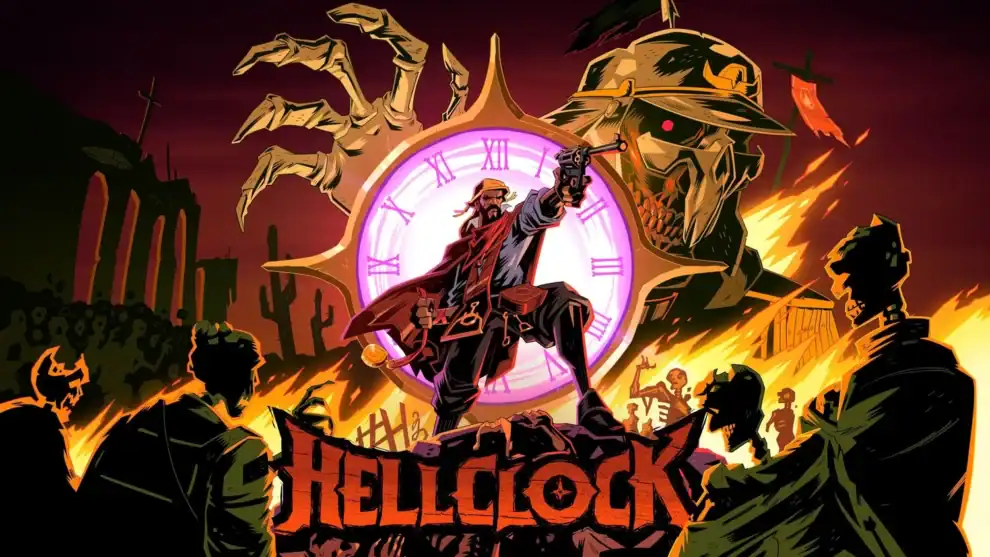
The visuals make a strong first impression. The art style is distinct, with stylized health and mana orbs that stand out from the usual ARPG designs. Animations are fluid, shadows add depth, and the game has a strong visual identity.
What I didn’t expect was how much the story would matter. It’s inspired by a historical rebellion in Brazil, with demonic and religious themes woven in. All voice acting is in Portuguese, which fits the setting well and gives the world a grounded feel. The pacing is slow but deliberate — between runs, you return to a camp where characters reveal more of the plot. It’s a rare thing in this genre to have the narrative carry genuine weight.
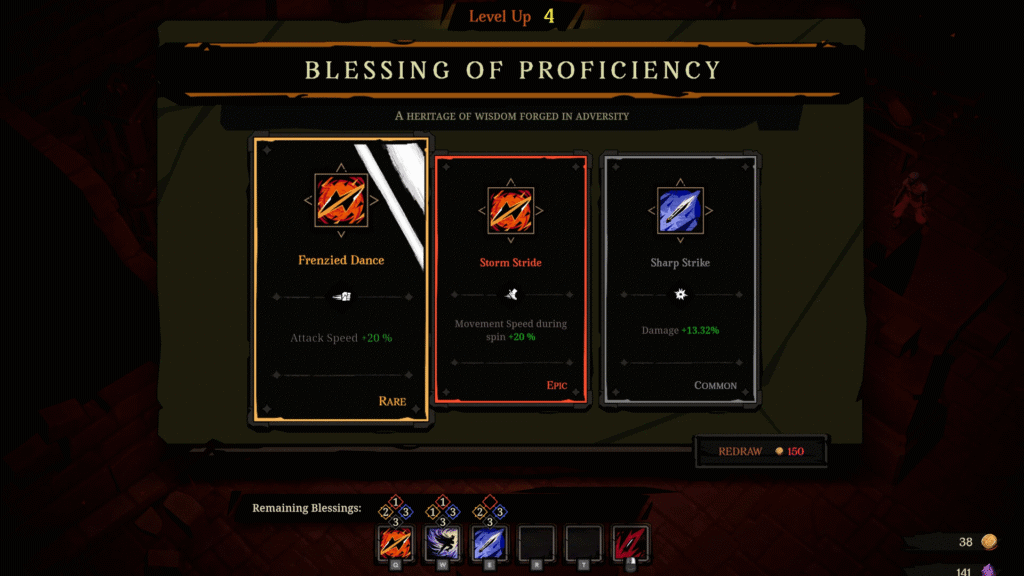
Gameplay is straightforward but layered. You descend into the “clock,” a dungeon with a timer ticking down. The clock freezes for bosses and certain floors, which means the time pressure is there but not overwhelming. You collect relics, pick skills, and adjust your build as you go. Like any good roguelite, dying sends you back, but each attempt unlocks new options – stronger relics, more abilities, and shortcuts that speed up progress.
The builds are where the game’s strengths and weaknesses show. There are some very strong skills and a few that feel underpowered, and at the moment, only a small set of builds can reliably finish the game. On the other hand, the blessing system allows for unexpected combinations, sometimes creating runs that feel completely broken – in the best way.
I also appreciated the practical design choices. There’s no fussy inventory to manage mid-run. Equipment upgrades use a simple gold and shard system, so you stay focused on the action. And once your build is strong enough, you can take time to explore every floor without worrying about the clock.
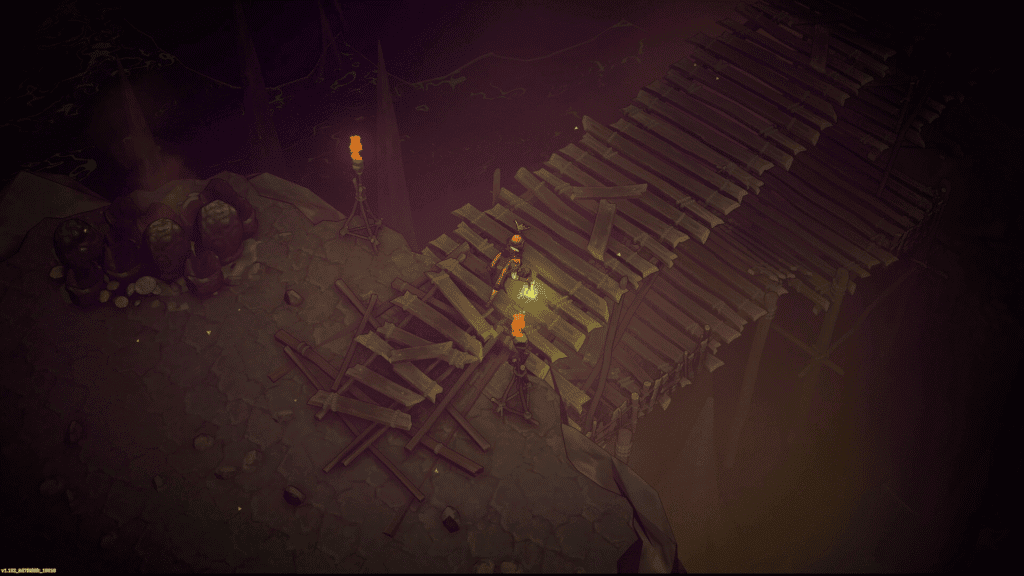
In terms of polish, HellClock feels ahead of many indie ARPG-lites I’ve played recently. The combat is responsive, progression is satisfying, and the overall presentation is high quality. It sits somewhere between the chaos of The Binding of Isaac’s item synergy and Diablo III’s fast-paced clear mentality.
Pros:
- Distinct, well-polished art style
- Engaging combat with responsive controls
- Story and setting stand out for the genre
- No mid-run inventory micromanagement
- Timer mechanics feel balanced rather than stressful
Cons:
- Limited build diversity in current version
- Some skills feel noticeably weaker than others
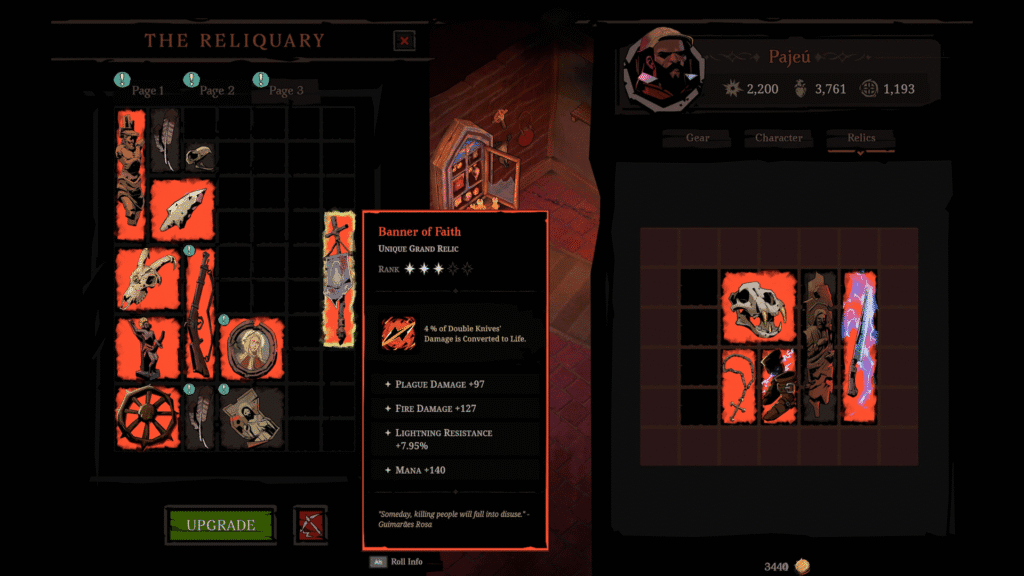
After several days, I’m still coming back to try new builds and push for faster clears. The combination of speedrunning, roguelite progression, and ARPG combat works well here. The game could benefit from more skill balance and variety, but the foundation is strong and the roadmap promises more content.
HellClock: If you enjoy the high-speed challenge of ARPG endgame mixed with roguelite unpredictability, HellClock is worth a serious look. For me, it’s a game I’ll keep installed – not for long sessions, but for focused, rewarding runs that leave me wanting just one more attempt. – Tom Henry