







Crimson Dusk’s debut action title arrives swinging hard, and for long stretches of its nine-hour runtime, it connects. Homura Hime is a kinetic, stylish brawler wrapped in gorgeous Japanese fantasy imagery, starring a red-haired exorcist cutting a path through demons with elegant ferocity. When it works, it really works. The problem is that “when” is doing a lot of heavy lifting in that sentence.
Combat: The Heart of the Matter
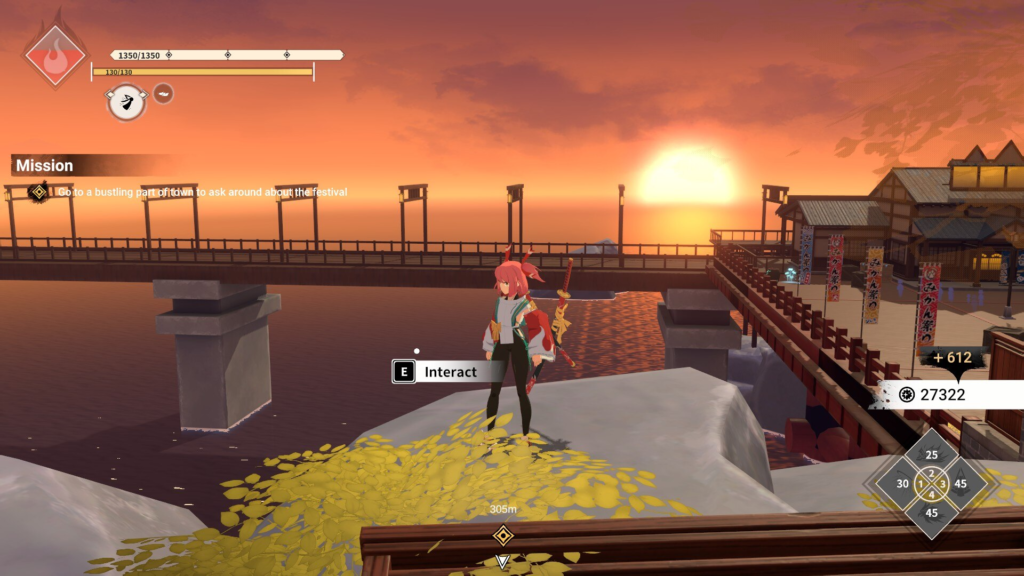
The core combat loop is Homura Hime’s strongest selling point, and it’s clearly where the majority of development attention was concentrated. Light and heavy attacks chain into satisfying multi-hit combos that carry genuine weight, and the introduction of Blessed Shots — swappable ranged tools with distinct tactical applications — gives players meaningful flexibility in how they construct their approach to each encounter.
Where things get genuinely interesting is in the enemy color-coding system. Red attacks demand parries, yellow demands evasion, and enemy barrier types determine whether you need melee or ranged tools to strip defenses. In practice, reading a room full of enemies with overlapping requirements creates some legitimately demanding moments of split-second prioritization that feel earned when you pull them off cleanly.
The domain mechanic introduced during major encounters is a clever pressure valve. When powerful enemies trigger these field effects, the rules of engagement tighten considerably, demanding you either break barriers or counter successfully to end the threat. It’s the game at its most purposefully designed — removing the safety net and asking you to actually engage with what it’s teaching.
The Parry Problem
Here’s where the critical nuance lives. Homura Hime’s parry system is simultaneously its most satisfying and most self-defeating element. The mechanic is fast, fluid, and deeply embedded in the reward structure — successful parries recharge your special skills, creating an incentive to stay aggressive rather than turtling. In theory, it’s elegant design philosophy.
In practice, the activation window is generous enough, and the cooldown forgiving enough, that the skill expression it’s meant to reward gets partially eroded. Against standard enemies, mashing the parry button once you spot the red telegraph often works just fine. The game never quite commits to demanding precision the way the system implies it should. Boss encounters and domain fights raise the bar considerably, but a significant portion of your time is spent in mob encounters where this leniency quietly drains the stakes from the proceedings.
It’s not a dealbreaker — the combat remains fun regardless — but it is a ceiling on how deep and rewarding the system could have been with tighter tuning.
Story: Quietly Effective, Occasionally Contrived

Homura Hime isn’t primarily a narrative game, but it earns more credit in this department than it probably expects. The setup is fairly standard — an exorcist and her aide journey through demon-infested realms — but the archdemons themselves are where the writing quietly shines. Brief lore fragments and contextual storytelling flesh out these antagonists into figures with genuine histories and motivations rather than obstacle wallpaper. Several of them are more compelling than the plot threads they’re attached to.
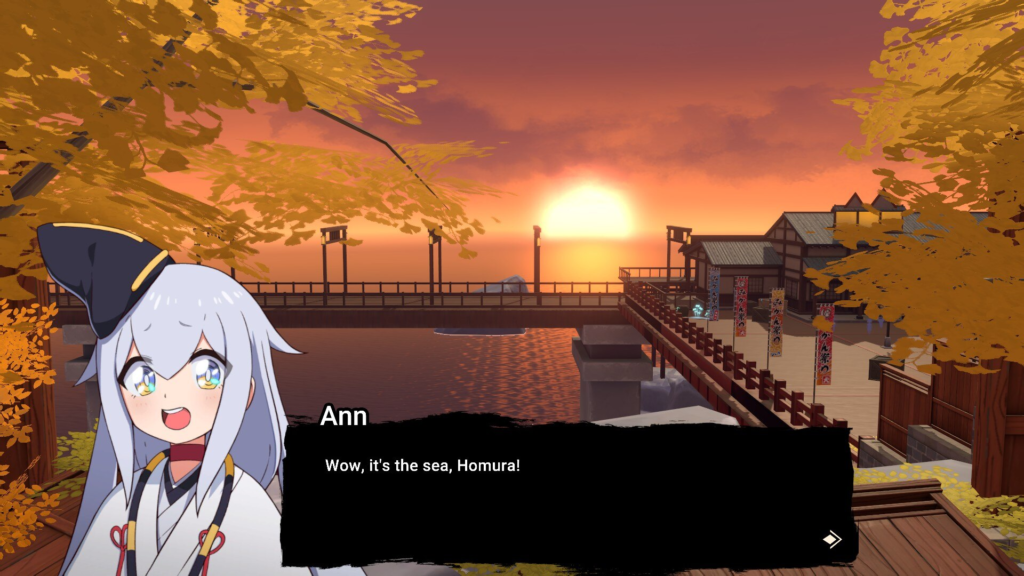
The central relationship between Homura and Ann takes time to develop, with Homura’s stoic exterior initially making her feel somewhat inert. The back half of the story rewards patience here. Her characterization deepens meaningfully, and the dynamic between the two leads becomes genuinely engaging once the narrative stakes escalate.
The weaker element is the third act, which leans into twist mechanics that feel structurally motivated rather than emotionally earned. Plot devices land with convenience rather than weight, and a story with real thematic potential — an exorcist confronting increasingly sympathetic targets — never quite commits fully to the moral ambiguity it keeps gesturing toward.
Presentation: Small Studio, Big Ambitions
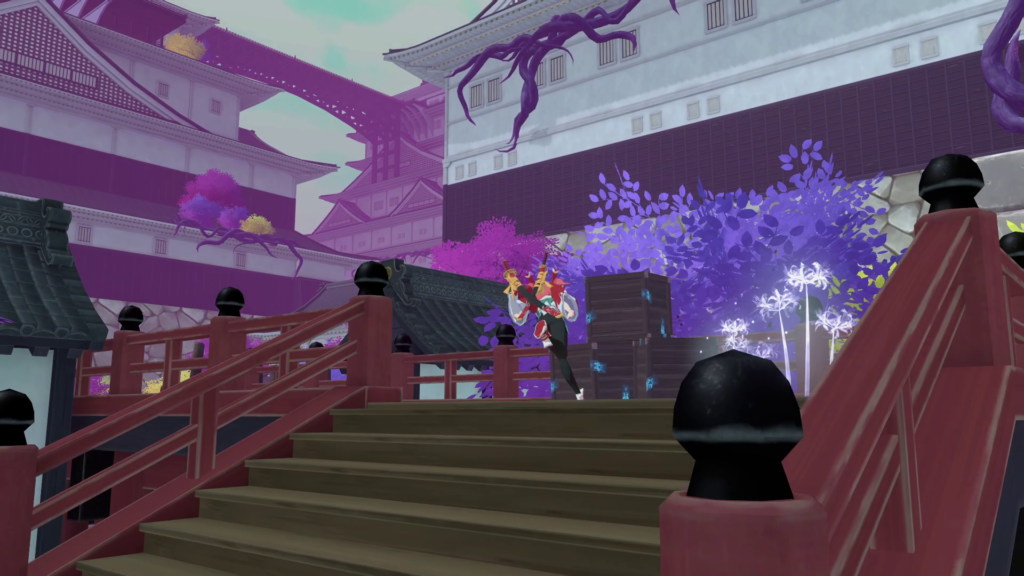
Visually, Homura Hime consistently punches above what you’d expect from a debut release of this scale. Environments draw heavily from older Japanese art traditions — layered landscapes, stylized architecture, vivid color palettes — and the results are frequently striking. Boss encounters in particular are designed as escalating spectacles, with evolving phases that reframe the entire visual identity of a fight. These moments are the game’s most impressive achievements.
The soundtrack earns equal praise. The score threads classical Japanese instrumentation into high-tempo combat music with confidence, and a few tracks take unexpected genre swings that land better than they have any right to. Character design is more inconsistent — several designs are genuinely memorable, while others feel like they arrived from a different project entirely.
The Verdict
Homura Hime: Homura Hime is a game that demonstrates clear creative vision and just as clearly hasn't fully realized it yet. The combat system has a strong conceptual foundation that the parry tuning partially undermines. The story has genuine thematic ambitions that the third act doesn't fully honor. The presentation is impressive work for a studio finding its footing. – Tom Henry
What keeps it firmly worth recommending — particularly for fans of stylish action games — is that the fundamentals are solid, the boss encounters deliver, and the world Crimson Dusk has built here is worth spending time in. It’s a debut that makes you genuinely curious about what comes next, which is perhaps the most honest compliment you can give a new studio. Homura Hime isn’t the defining action game of its moment, but it’s a confident first step toward one.