






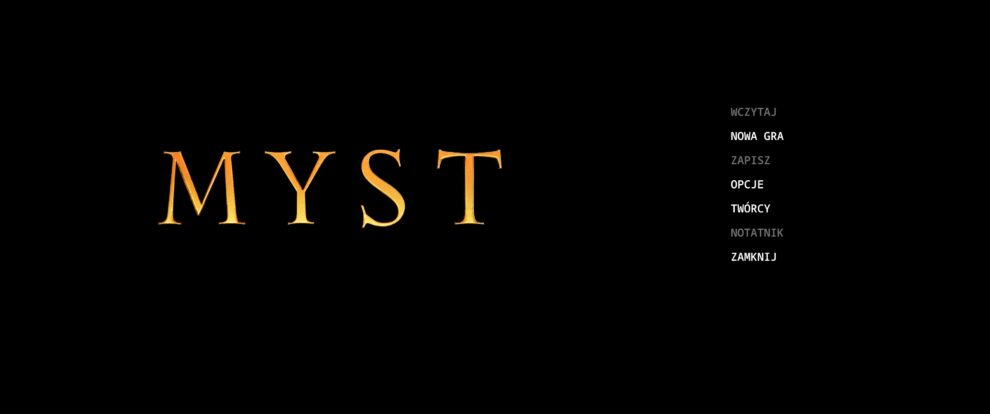
There are games that age gracefully and games that become relics. The original Myst, released in 1993, fell somewhere between those two categories — its ideas remained brilliant, but its presentation had become a barrier to entry for anyone without nostalgia driving them forward. Cyan’s 2021 remake addresses that problem directly, rebuilding the game from scratch in Unreal Engine while preserving everything that made Myst worth preserving. The result is the best version of this game that has ever existed — and still not quite the definitive version it could be.
The Island, Rebuilt
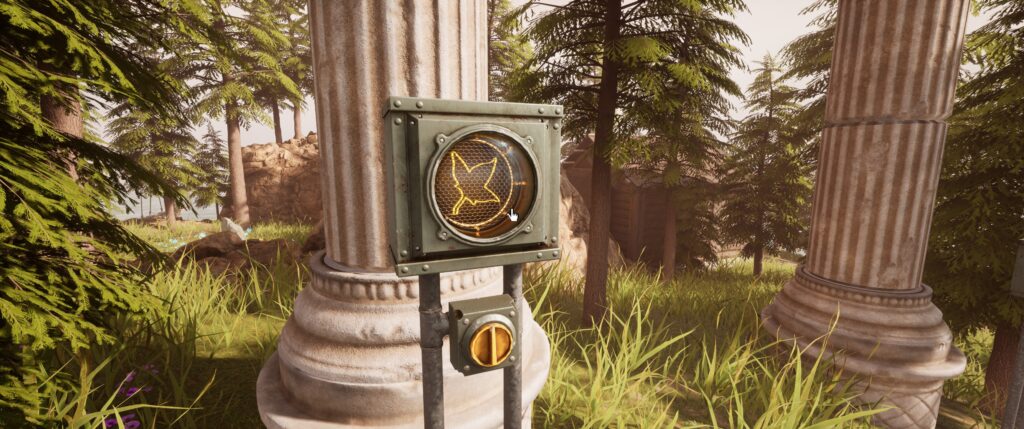
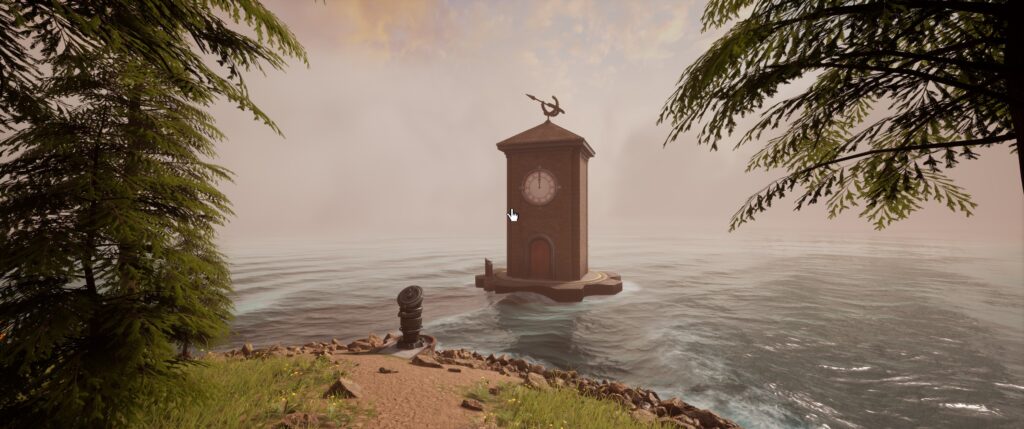
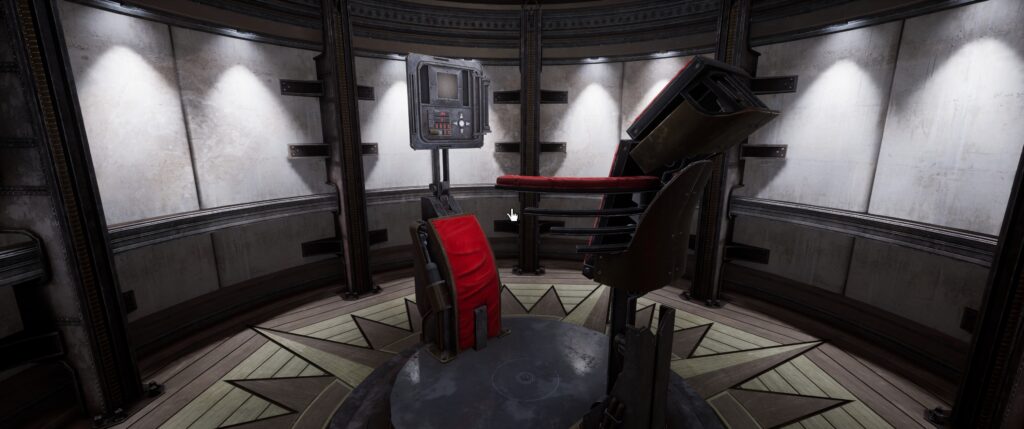
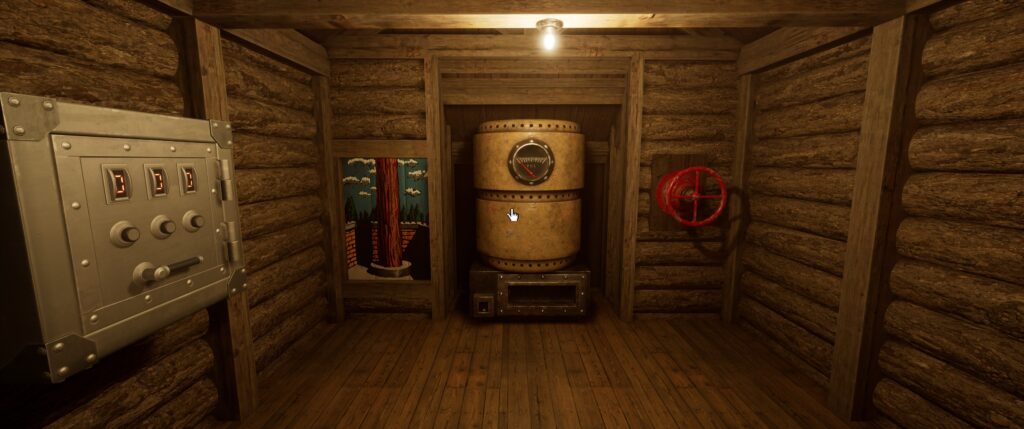
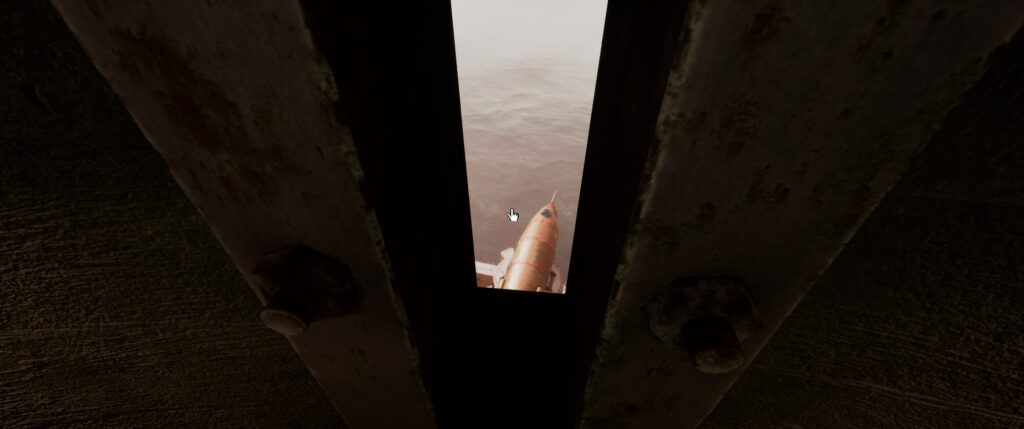
The visual transformation is the most immediately striking aspect of the remake. Where previous re-releases felt like polished versions of an old photograph, this version of Myst feels like stepping into a painting. Each Age has its own distinct color palette and atmosphere — the mechanical weight of the Selenitic Age, the organic warmth of Channelwood, the cold stone of the Stoneship lighthouse. Volumetric fog, dynamic lighting, and genuinely impressive texture work make these locations feel inhabited in a way earlier versions never quite managed. Small details reward attention: oil slicking the water beneath the Mechanical Age fortress, water dripping down the lighthouse stairs, a damaged bridge left to rust in the elements. The world feels like it existed before you arrived and will continue after you leave.
The shift to full three-dimensional movement is another significant change. The original game’s point-and-click traversal between static screens was a product of its era. Free-roaming Myst Island and its Ages feels natural now, though it does subtly change the pacing. What once required deliberate, considered movement between fixed perspectives now allows players to sprint across an island in thirty seconds. That speed is mostly a benefit — exploration is genuinely enjoyable — but it removes some of the weight that static traversal imposed on every decision.
Puzzles That Still Demand Everything
This is where Myst earns its reputation, and the remake does nothing to diminish it. The puzzles are intelligent, interconnected, and genuinely demanding in ways that most modern adventure games have abandoned entirely. Solving Myst requires taking notes, paying close attention to environmental details, and thinking carefully about how disparate systems relate to one another. The game does not hold your hand, does not highlight interactable objects, and does not offer hints. You are expected to observe, think, and figure it out.
For players accustomed to contemporary puzzle design, this will either feel refreshing or brutal depending on temperament. For anyone who has grown tired of puzzles that practically solve themselves, Myst is an excellent corrective. The remake adds an optional randomisation mode that shuffles puzzle solutions, making it impossible to rely on existing guides. It is a smart addition for returning players and completionists seeking a genuine challenge — one that also means no external resource can bail you out.
VR — The Best Way to Play Myst
The VR implementation is, without qualification, the most compelling reason to play this version over any predecessor. Myst translates to virtual reality with a naturalness that feels almost accidental. The game’s design philosophy — exploration of detailed environments, interaction with physical objects, careful observation of surroundings — maps directly onto VR’s strengths in ways that feel purpose-built rather than retrofitted.
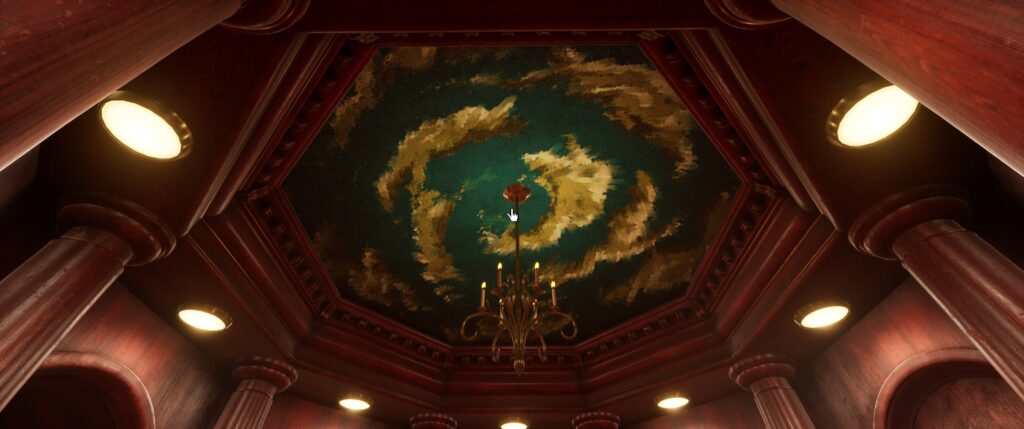
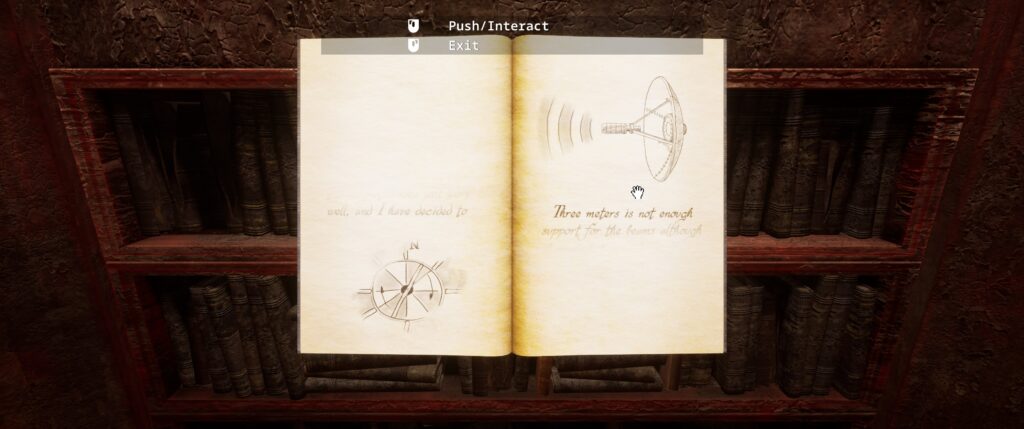
Standing inside the Myst Island library, reaching for a book on a shelf, looking up at the ceiling and then out through the window at the fog rolling across the water — these moments are genuinely remarkable. Teleportation movement, which aligns well with the game’s original cadence of deliberate traversal, feels natural in VR rather than like a compromise. The interaction system generally works well, with physical buttons, levers, and mechanisms responding satisfyingly to input.
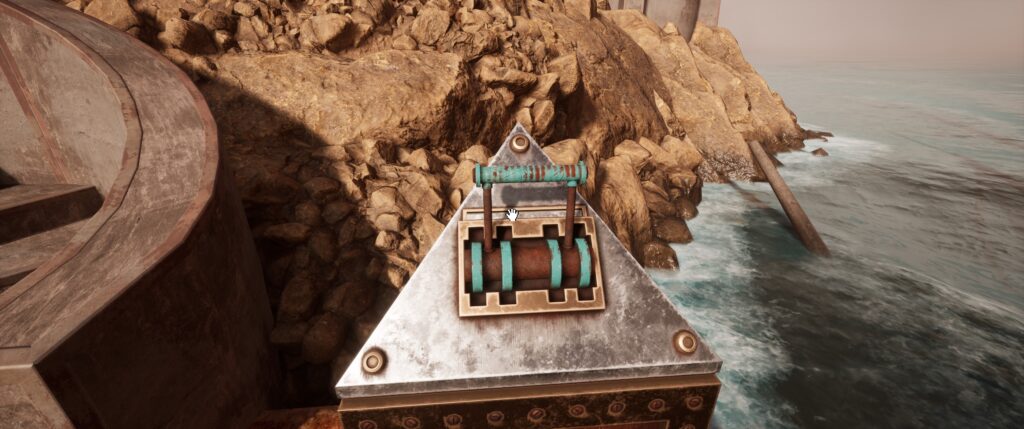
The implementation is not without its weaknesses. Physical interactions with levers and switches sometimes lack the resistance and click-into-place feedback that the best VR games achieve. Objects do not persist in the world when set down — books disappear after a short interval, which breaks immersion in a game that otherwise invites you to settle in and inhabit its spaces. These are fixable problems, and they do not undermine the fundamental quality of the VR experience, but they are noticeable gaps in an otherwise thoughtful implementation.
Where the Remake Falls Short
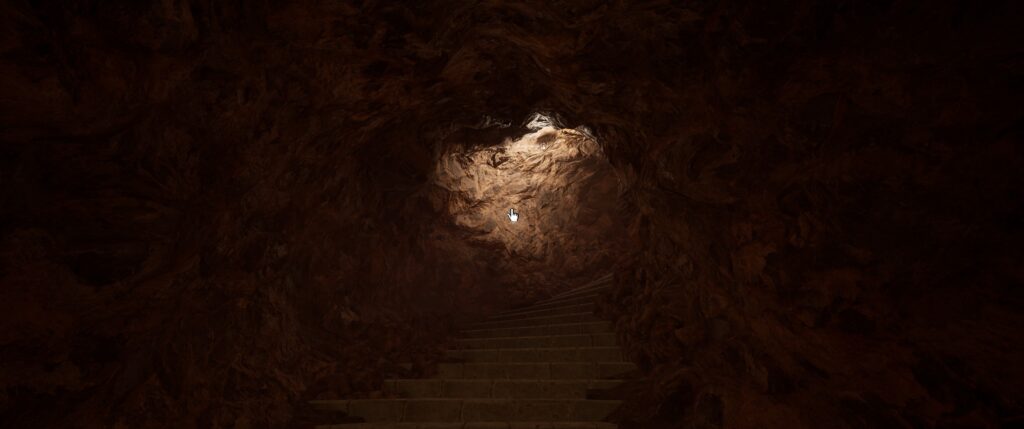
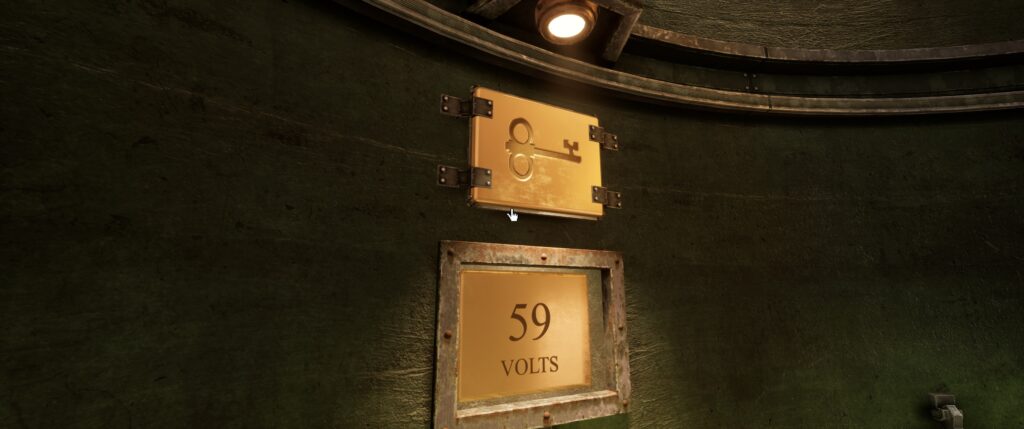
The sound design is the most significant disappointment. Spatial audio is poorly implemented — sounds frequently pass through walls, ambient loops fade awkwardly as you move between areas, and the tactile mechanical sounds that gave the original its distinctive character have been smoothed into something cleaner but less memorable. The tower rotation elevator is a useful example: in the original, you heard a heavy thunk, then a motor, then squeaks and groans as it climbed, then a clang at the top followed by a buzzing light. In the remake, that layered physicality is largely absent. The sounds work, but they do not feel.
In VR specifically, this matters considerably. Sound is half of what makes a virtual space feel real. When visuals are this carefully crafted and atmospheric audio does not match them, the disconnect is felt. It does not ruin the experience, but it is a consistent reminder that the remake is not the complete package it could be.
The CG character models used to replace the original live-action footage are another point of contention. The decision was made to accommodate VR — live actors filmed in fixed positions create problems when players can look anywhere — and the reasoning is understandable. The execution, however, does not land with the same impact as the original footage. The actors in the 1993 game felt startlingly real within their context, lending emotional weight to the story’s central conflicts. The 3D renders in the remake feel flat by comparison, and this is most acutely felt during the ending sequences when characters are close and central to the frame.
The in-game camera — used to photograph clues and puzzles for later reference — is functional but clumsily implemented. Images cannot be browsed like a slideshow, each one requiring individual navigation; the camera cannot be cancelled once drawn; photographs cannot be reviewed while actively working on a puzzle. These are small irritations that compound over the course of a playthrough.
Who Should Play It
Myst is a short game by modern standards — roughly five to six hours for a focused playthrough. The randomised puzzle mode extends replayability for returning players. The experience is dense and thoughtful rather than long.
For newcomers to the franchise, this is unambiguously the correct version to start with. The visual improvements make the game’s environments genuinely beautiful rather than merely interesting, and the quality-of-life additions smooth the rougher edges of the original design without compromising its essential character. For VR owners in particular, this is close to essential — the combination of Myst’s deliberate pacing and immersive exploration with the physical presence of VR produces something genuinely memorable.
For long-time fans, the remake’s imperfections are more apparent, particularly in sound and character presentation. The bones of the original are fully intact, and that matters — but the remake’s new additions do not uniformly improve on what they replace.
Myst (2021): Myst (2021) is the best version of a game that has been re-released many times, and it is still not the definitive version it might have been with more attention to audio design and VR interaction polish. What it offers is a beautifully presented, intellectually demanding puzzle experience that holds up remarkably well after three decades — and in VR, it occasionally achieves something genuinely special. – Tom Henry