





Cycling games occupy a curious niche. They demand patience, an appreciation for tactics that unfold over hours rather than seconds, and a tolerance for pacing that would put most action gamers to sleep. Tour de France 2026, developed by Cyanide Studios and published by Nacon, is the latest annual entry in a long-running series that knows exactly who its audience is. For cycling fans, there is a lot to appreciate here. For everyone else, and even for some of the faithful, the familiar shortcomings of the franchise remain stubbornly in place.
The Race Itself
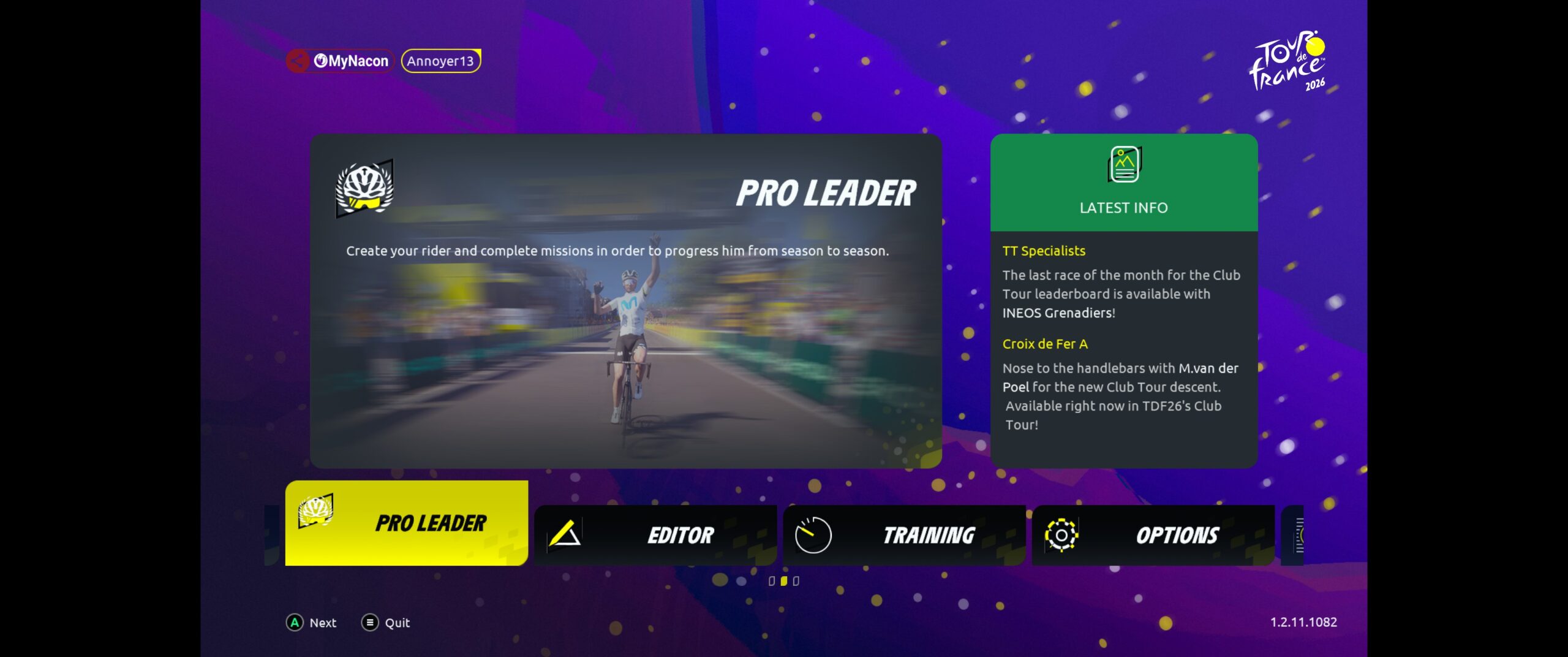
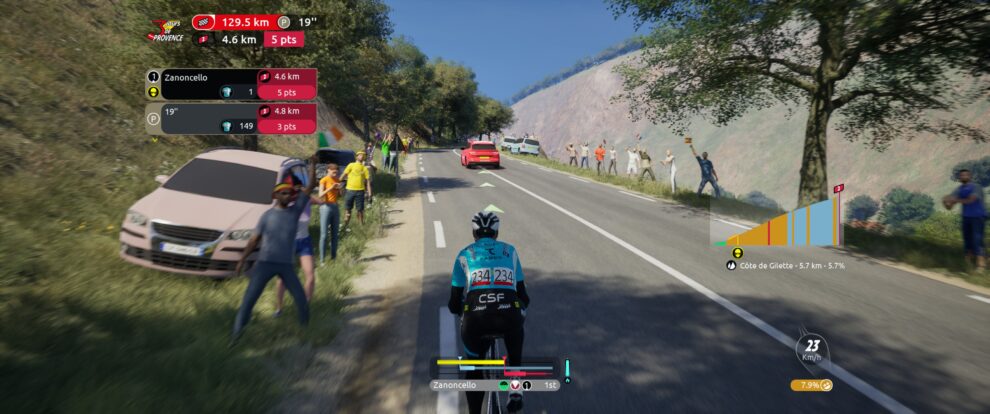
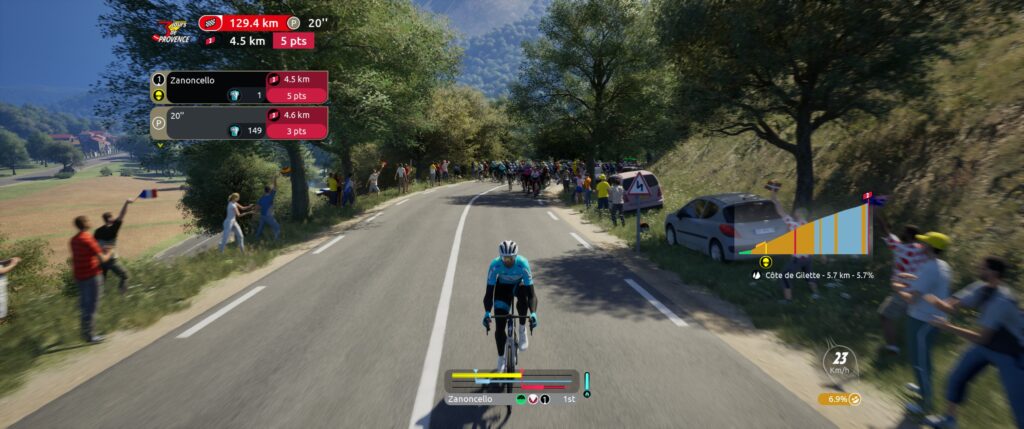
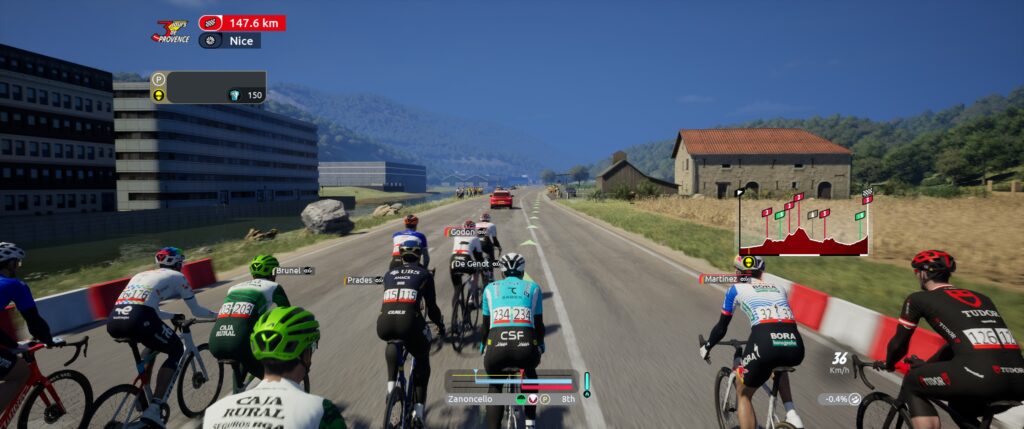
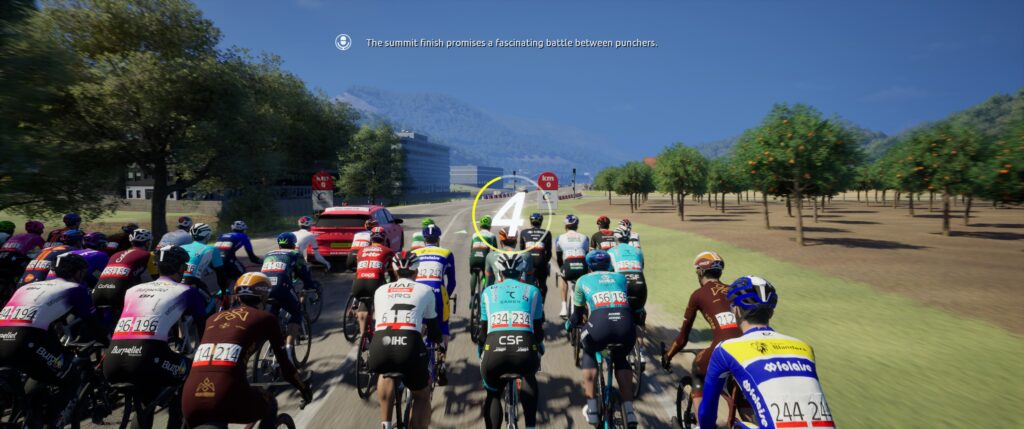
At its core, Tour de France 2026 is about managing effort, positioning, and timing across stages that can run quite long. The second-to-second racing does not offer enormous mechanical depth, and that is partly a technical necessity. Simulating an entire peloton of riders moving through confined space requires compromises, and Cyanide has clearly chosen breadth of simulation over granular control. The result is racing that is fast and enjoyable in motion, even if the moment-to-moment inputs are simpler than a racing purist might want.
Where the game genuinely shines is in its strategic layers. Deciding when to launch a sprint, how to manage your domestiques, when to attack on a climb and when to conserve energy for the final kilometres, all of this is satisfying to explore and rewards players willing to think several moves ahead. This is a racing game for people who enjoy strategy as much as reflexes, and on that front it largely delivers.
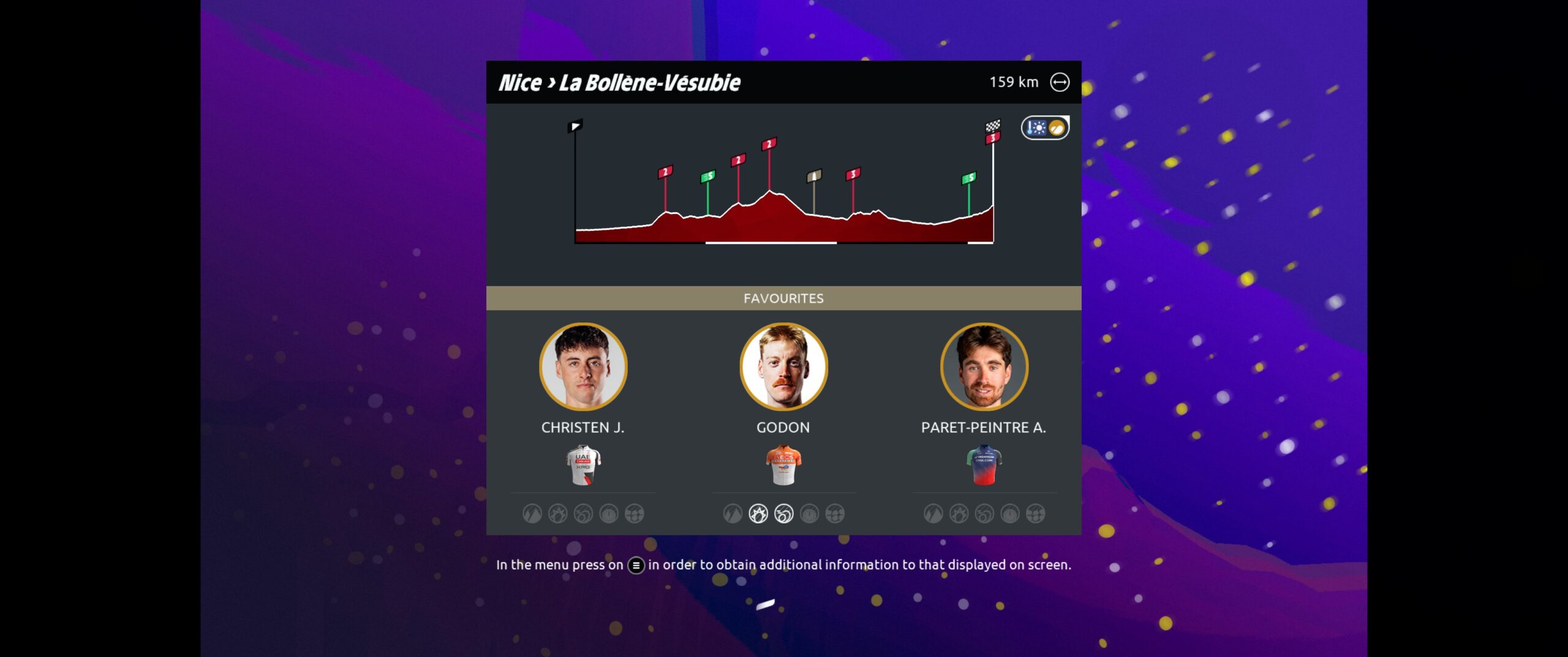
This year introduces new team time trial gameplay, debuting with the Grand Départ in Barcelona. Setting the relay order, protecting your leader, and synchronising efforts to post the best finishing time adds a welcome tactical wrinkle, with your protected rider’s time taken as they cross the line, just as in the real event.
New Content and Presentation
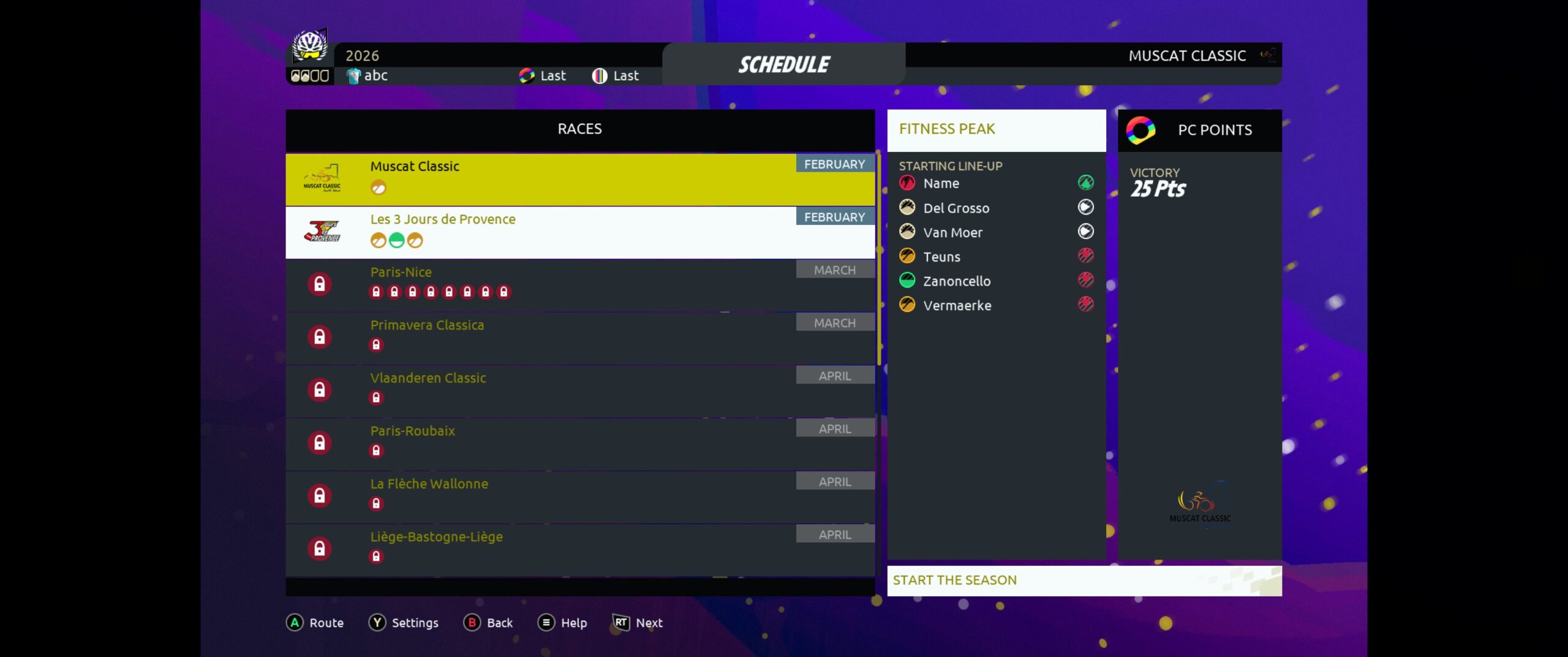
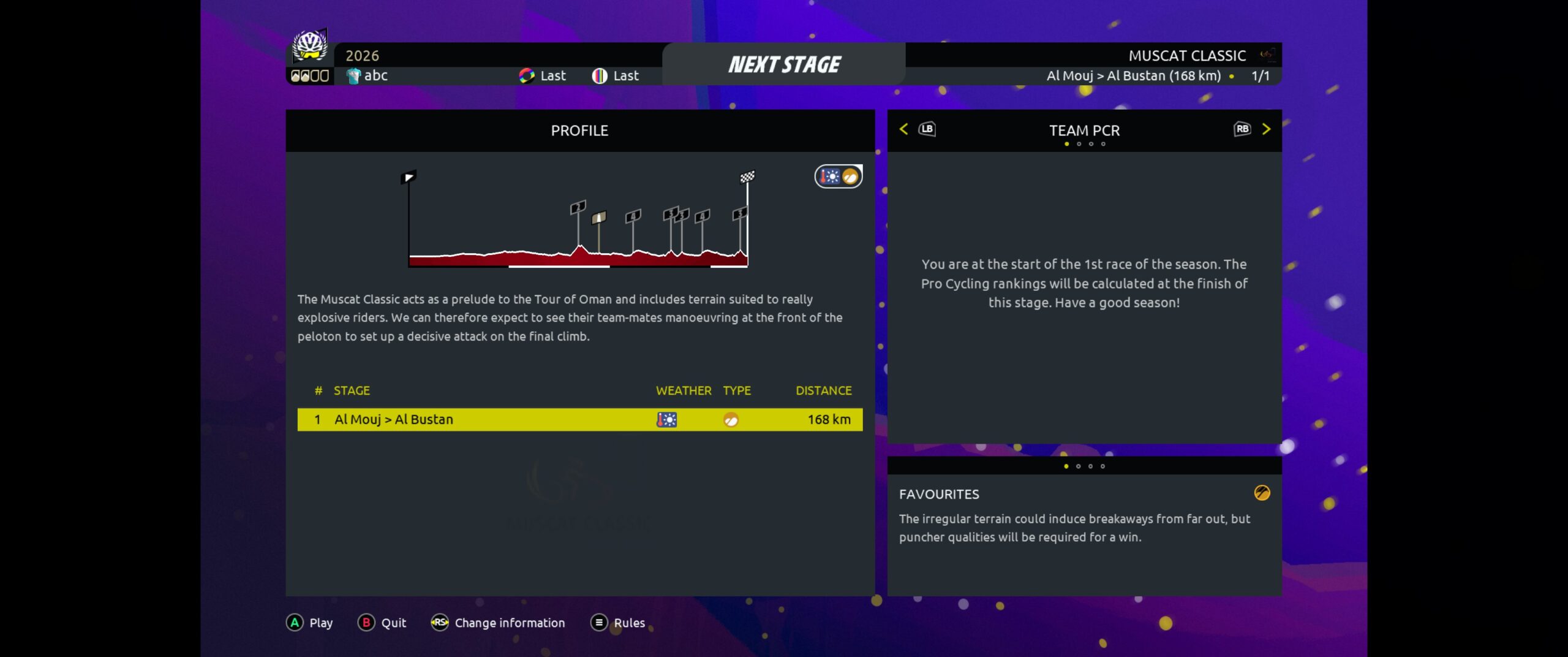
The 2026 edition expands the calendar with two new licensed races. The Muscat Classic takes you to the scorching roads of Oman early in the season, with intense heat and climbs exceeding ten percent that favour puncheurs. The season then closes on the muddy dirt roads of Paris-Tours, where bike handling and positioning become essential. These additions give the calendar a bit more variety and personality, even if it remains smaller than some players would like.
The weather system is the standout feature this year. Conditions can shift mid-stage, turning a clear-sky start into a rain-soaked finish that forces genuine strategic adaptation. In the wet, rider agility and balance skills matter, and managing your lines and risks on slippery descents creates real tension. A dedicated tutorial for rain gameplay helps ease players into these mechanics, and rain is available in both MyTour and Criterium modes.
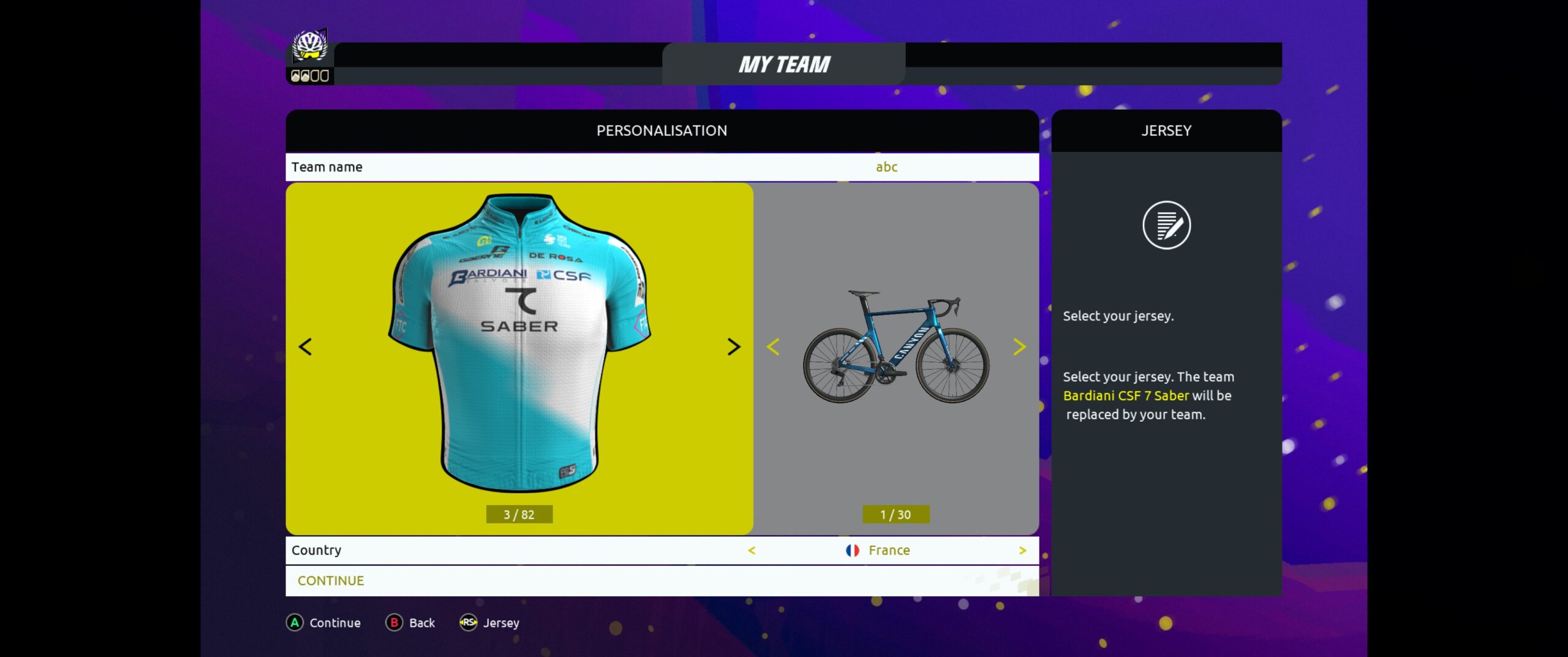
The official 2026 route is faithfully recreated, complete with iconic landmarks like the Sagrada Família and Montmartre. Customisation has been enhanced with more visual options, including the choice of bike frame, weather-appropriate outfits with arm warmers and long shorts, and the official jerseys of national champions from France, Belgium, Mexico, and beyond. With 100 playable stages, there is no shortage of content for those who connect with the core loop.
The Persistent Problems
Here is where longtime fans and newcomers alike run into trouble, and the issues are difficult to dismiss.
The single most damaging problem is balance. As it stands, the Tour de France itself, the marquee event the entire game is built around, is effectively unwinnable as a GC contender in the early seasons. The final stage features cobbled sections on the Champs-Élysées where Pogačar shreds every other general classification rider, making the headline Grand Tour feel pointless to contest until your own rider and team are sufficiently developed. For a game named after the Tour de France, having its central event be functionally unwinnable for new players is a serious design flaw.
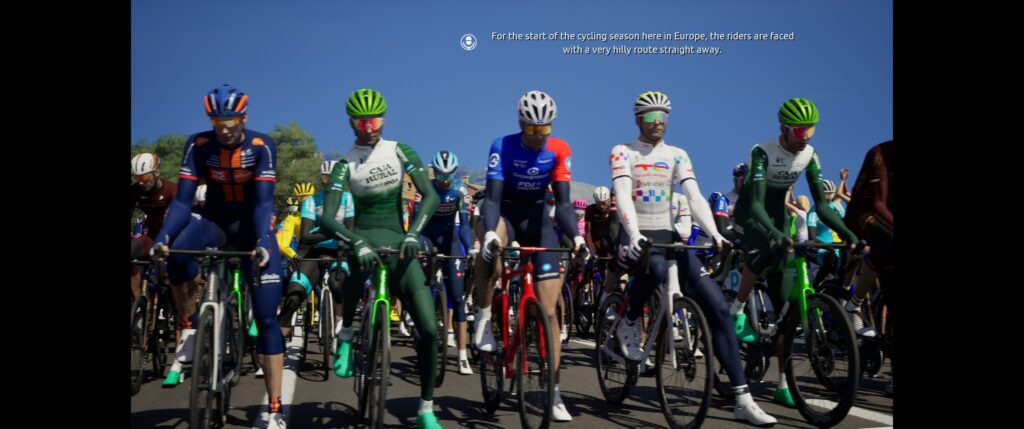
The race calendar, despite this year’s additions, remains small compared to the depth offered by Nacon’s own Pro Cycling Manager series. Riders also do not appear to age, which means the same dominant names remain at the top season after season, robbing the career mode of the natural evolution that makes long-term play compelling. Your starting team consists of only six riders, which limits the tactical options available during stage races. And if you choose to simulate one stage of a multi-stage race, you are locked out of racing the remaining stages, an oddly punishing restriction.
There are also rough technical edges. Some players report getting stuck on the language selection screen, unable to launch the game at all. The commentary, a recurring complaint across the franchise, continues to feel recycled from previous iterations.
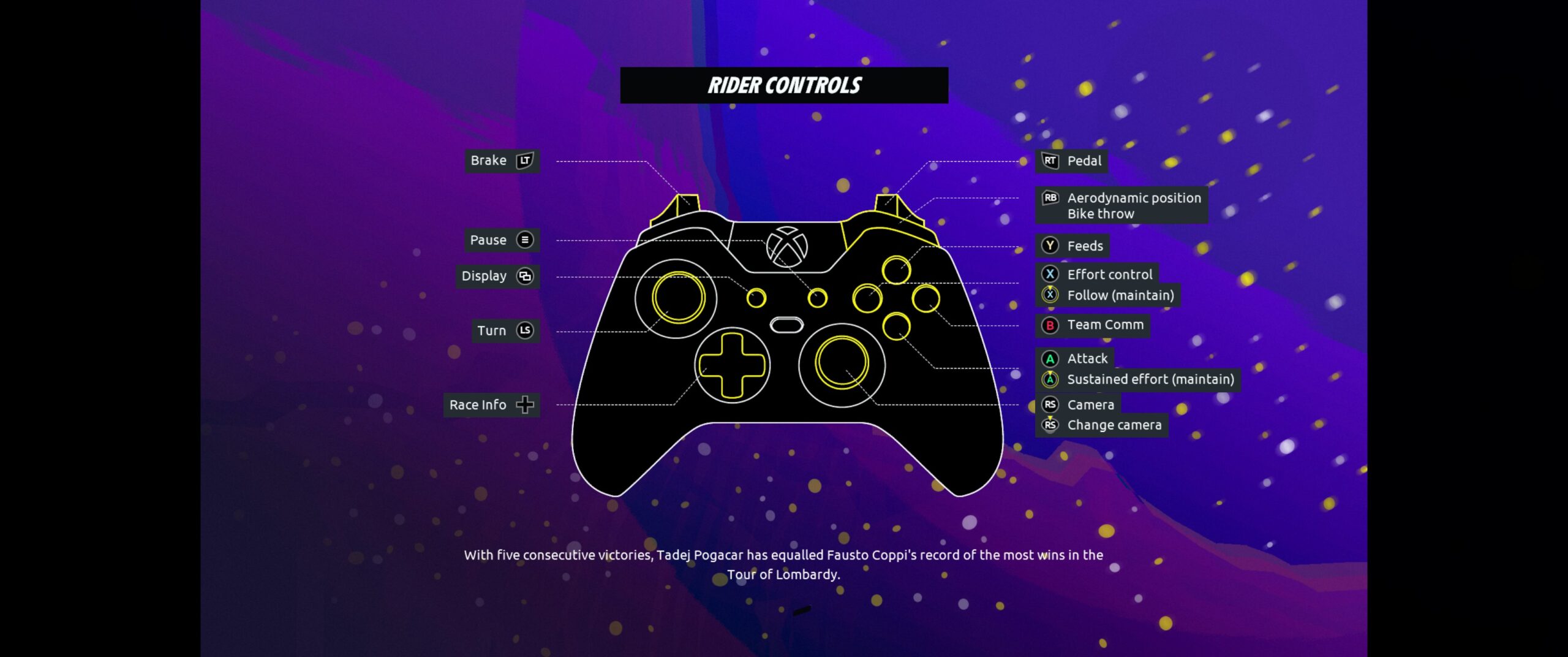
It is worth noting the game requires a controller. Keyboard and mouse are not supported, which is an important consideration before purchase.
How It Compares
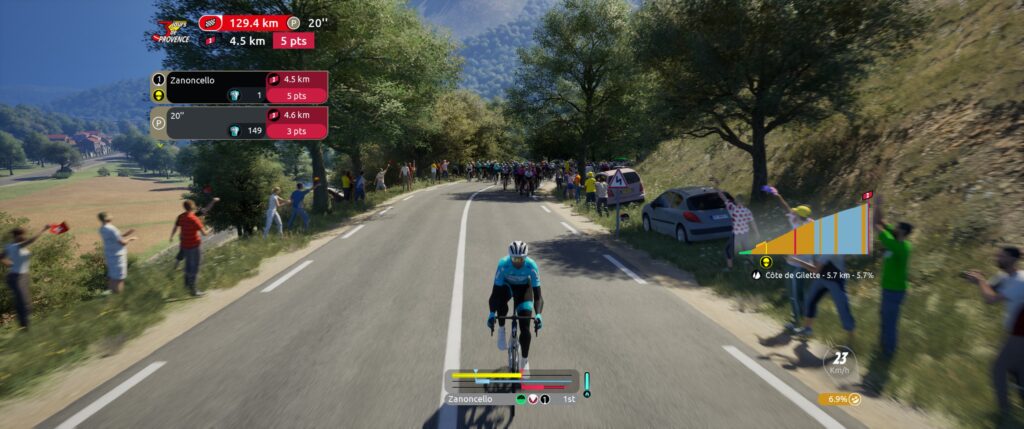
The uncomfortable truth hanging over Tour de France 2026 is that Nacon publishes a more comprehensive cycling game in Pro Cycling Manager. Several players directly recommend buying that instead, citing its superior depth, larger calendar, and richer management systems. Tour de France 2026’s strongest unique advantage is its more arcade-friendly, visually immersive approach to actually riding the stages, along with the way you can develop your own custom rider. If that immediacy appeals to you more than spreadsheets and deep management, this is the better pick. If depth is your priority, the comparison does not favour this game.
Is Tour de France 2026 Worth Playing?
For dedicated cycling fans, Tour de France 2026 is a competent, visually pleasing, and tactically satisfying ride that improves on previous entries in feel and presentation. The new weather system and team time trial gameplay are genuine additions, and the strategic depth beneath the simple controls offers real reward for patient players. It feels, as one player put it, more alive than previous years.
But the balance problem at the heart of the experience is hard to overlook. A Tour de France game where you cannot realistically win the Tour de France for several seasons is a tough sell, and the small calendar, ageless riders, and assorted restrictions hold it back from being the definitive cycling experience it could be. If you love the sport and accept the franchise’s quirks, you will find plenty to enjoy here. If you are new to cycling games or want maximum depth, you may be better served elsewhere, including by Nacon’s own management title.