





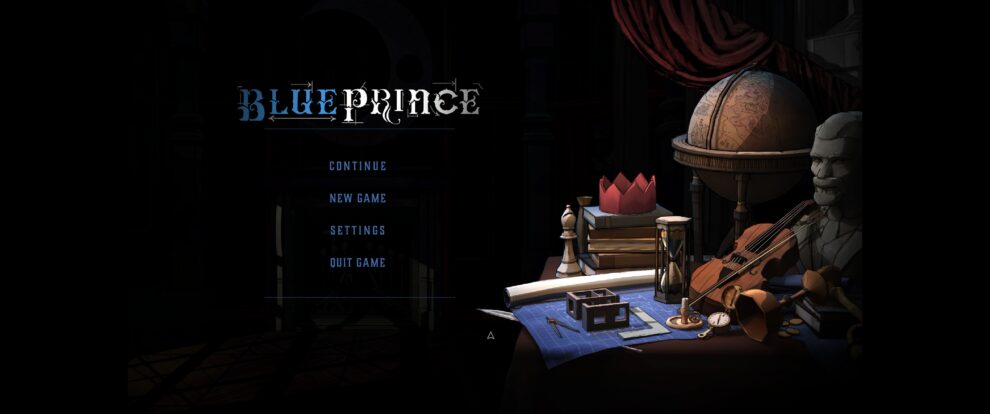
I’ve been staring at my ceiling at night doing arithmetic on house numbers. I’ve got a notebook that looks like the ramblings of a conspiracy theorist, screenshots numbering in the hundreds, and a colour-coded mental map of a mansion that doesn’t technically exist. Blue Prince did this to me. It crawled into my brain about three hours in and it still hasn’t left, and I mean that as the highest compliment I can give a game while also warning you about what you’re getting into.
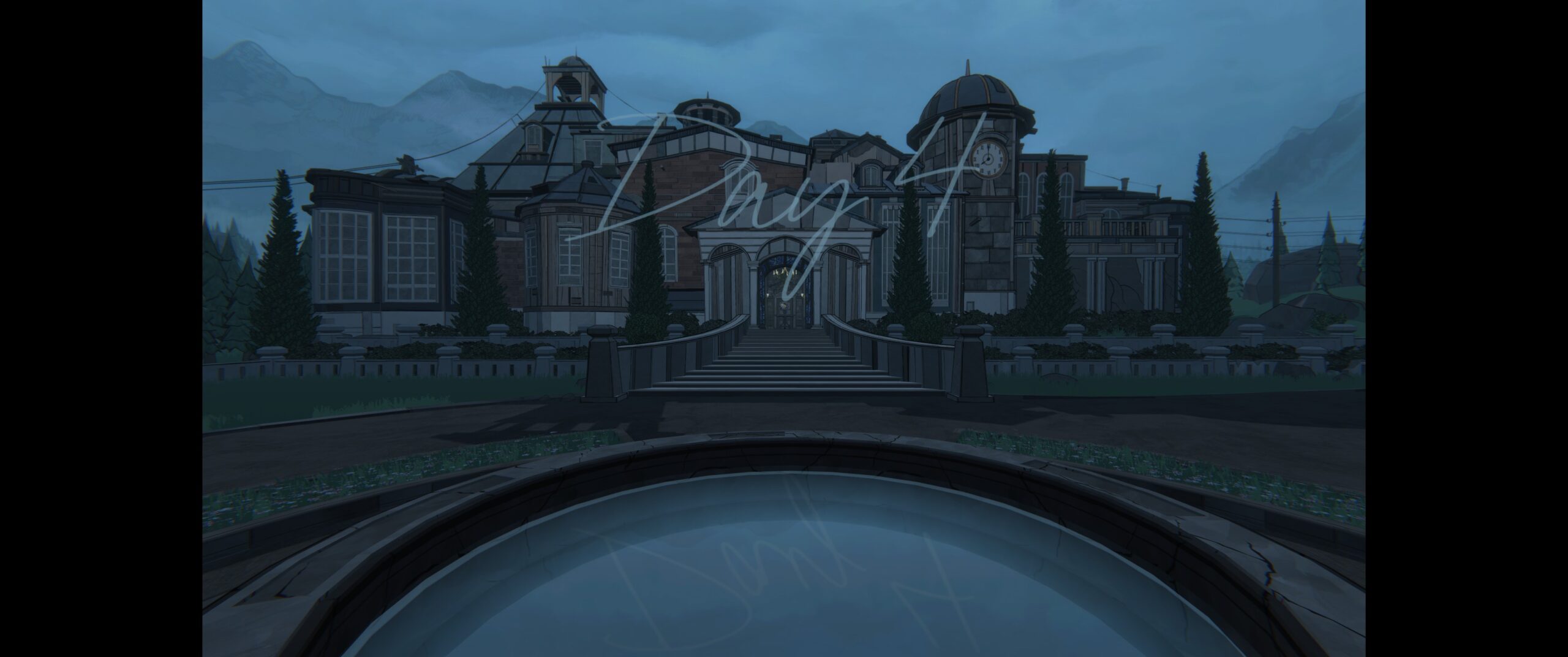
Let me back up. You’re Simon P. Jones, and your eccentric great-uncle Herbert Sinclair has left you his estate, Mt. Holly. There’s a catch, because there’s always a catch: to actually inherit the place, you need to reach Room 46. Trouble is, the blueprint is a five-by-nine grid. That’s 45 rooms. The forty-sixth doesn’t appear to exist. Finding it is the hook, and I promise you the hook is only the first inch of a very deep hole.
The house builds itself, and so does the obsession
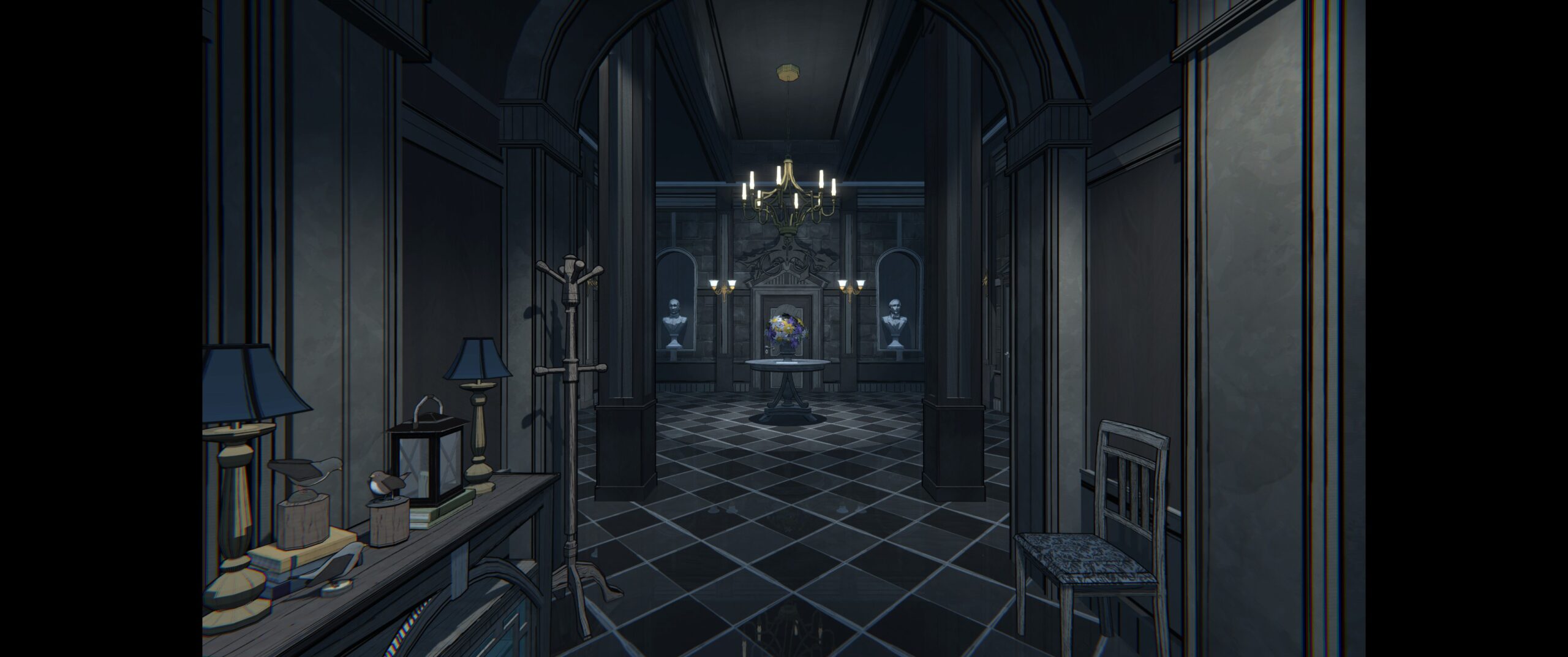
Here’s the mechanic that makes Blue Prince unlike anything I’ve played. The mansion starts empty. Every time you open a door, the game offers you three rooms to place behind it, and you pick one. That’s it. That’s the loop. And it sounds almost too simple until you realise you’re not just decorating a house, you’re solving a spatial puzzle in real time, because every room has a set number of exits, and drafting a dead end in the wrong spot can strand your entire run.
Then dawn breaks, the whole thing resets, and you start over from the entrance hall with a fresh pool of steps. Steps, by the way, are your currency here, not time. Run out and the day ends. So every run becomes this tense negotiation between exploring, conserving, and pushing north toward Room 46 and the mysterious Antechamber that guards it.
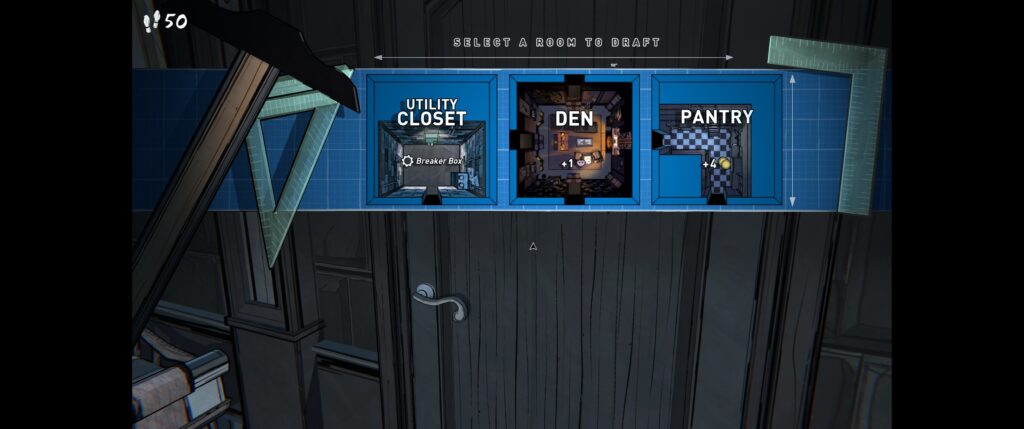
I want to be honest about how the drafting made me feel, because it changed over time. For the first ten or fifteen hours, opening a door felt like Christmas morning. What’s behind it? A shop? A room full of digging spots? Some bizarre chamber I’ve never seen that completely rewrites my strategy? That thrill is real and it’s electric. The rooms are colour-coded, purple bedrooms give you steps, orange corridors branch out, green rooms let you dig for resources, red rooms punish you but hand you doors, and learning to read that language is genuinely satisfying.
And then the notebook takes over your life
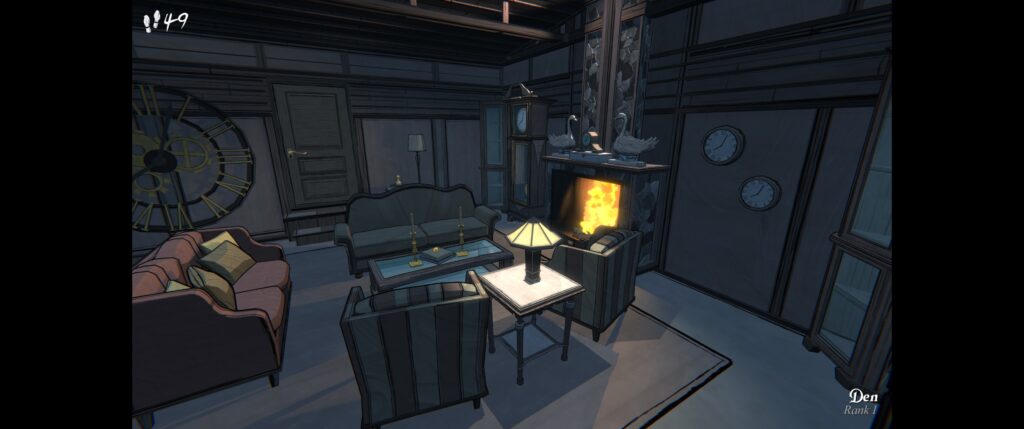
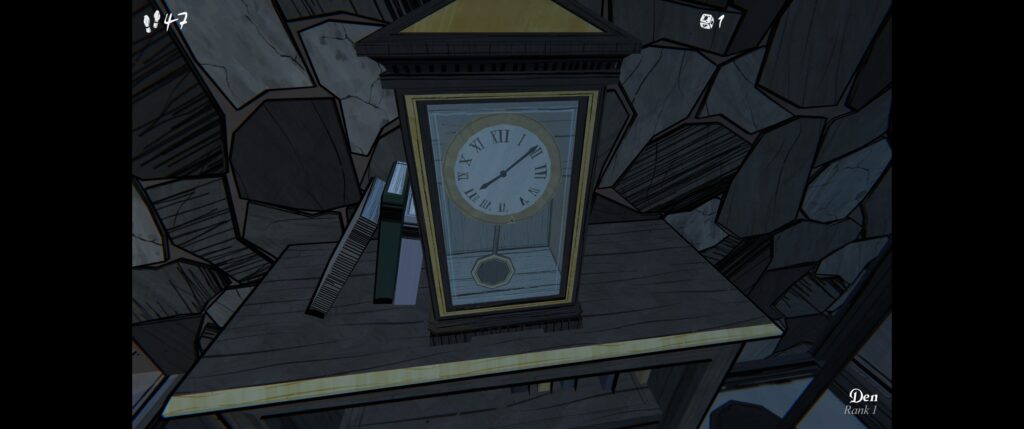
Blue Prince is really two games wearing one trench coat. Underneath the drafting is a puzzle box so dense it made me feel like a genius and an absolute idiot, sometimes in the same five minutes. It starts you off gentle with some logic and light maths, and then it slowly, insidiously reveals that everything connects. Those two paintings in every room? Not decoration. That weird note you ignored on day three? It’s the key to a safe you won’t find until day eleven.
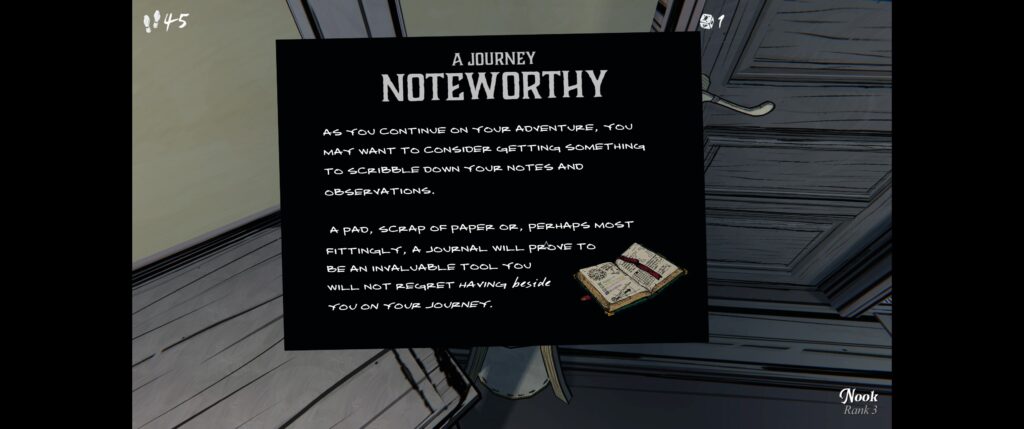
This is a take-notes-or-die game, and it’s not shy about telling you so. I filled pages. I took screenshots of everything because I never knew what mattered. And when a bunch of disconnected scribbles suddenly clicked into a solution, the dopamine hit was unreal. It’s the closest a game has come to making me feel like I was actually investigating something rather than just following waypoints.
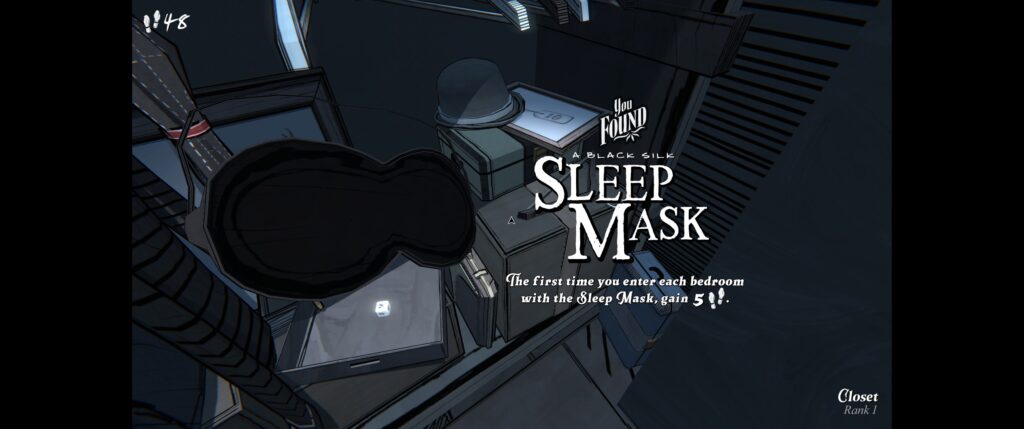
I do have to flag this loudly: Blue Prince lives and breathes the English language. A huge number of puzzles are built on wordplay, idioms, and vocabulary that’s occasionally so archaic I had to look it up. If English isn’t your first language, or even if it is but crosswords make you break out in a sweat, know that some of these puzzles will be brutal. The craft is undeniable, the puns land so naturally you forget how hard they must’ve been to write, but it’s a real barrier.
Oh, and reaching Room 46? That’s not the ending. People call it “finishing the tutorial” and they’re right. The story of Mary the missing children’s book author, the blackmail, the family rot underneath Mt. Holly, the vast majority of that unspools after the credits roll. I had more fun in the 40 hours after Room 46 than the 20 before it, and I’m a little heartbroken thinking about how many people will stop at the “ending” and never see how deep this rabbit hole goes.
Where it drove me up the wall
Now the part where I stop gushing, because Blue Prince fights itself constantly, and I can’t ignore it. You’re marrying a meticulous puzzle game to a roguelite, and there’s a reason nobody does that. The puzzles want patience and method. The roguelite keeps ripping the tools out of your hands.
I cannot count the number of times I solved something in my head and then simply couldn’t act on it, because the specific room I needed refused to show up in the draft for hours. That’s not a skill problem I can fix by getting better. That’s luck holding a gun to my progress, and it’s maddening. A great run followed by three that fizzle in three minutes through no fault of your own is a rhythm that’ll test anyone.
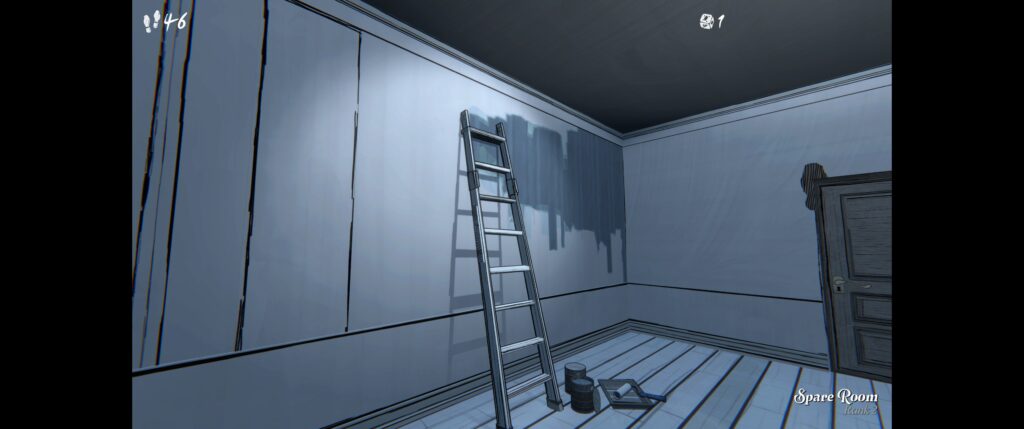
And the game genuinely does not respect your time. There’s an unskippable little cutscene every single dawn. There’s a delay between picking up items that sits next to each other. There’s a wait to connect to the in-game computer network. Multiply those tiny frictions across a hundred-plus runs and you’re losing real hours to animations you’ve seen a thousand times. The worst offender is that there’s no document archive. Want to re-read one note in Room 46? That can be a thirty-minute pilgrimage at the mercy of the RNG. Just let me look at the clues I’ve already found. Please. There’s also no mid-run save, so if life interrupts a good day, you’re either abandoning it or leaving your PC on.
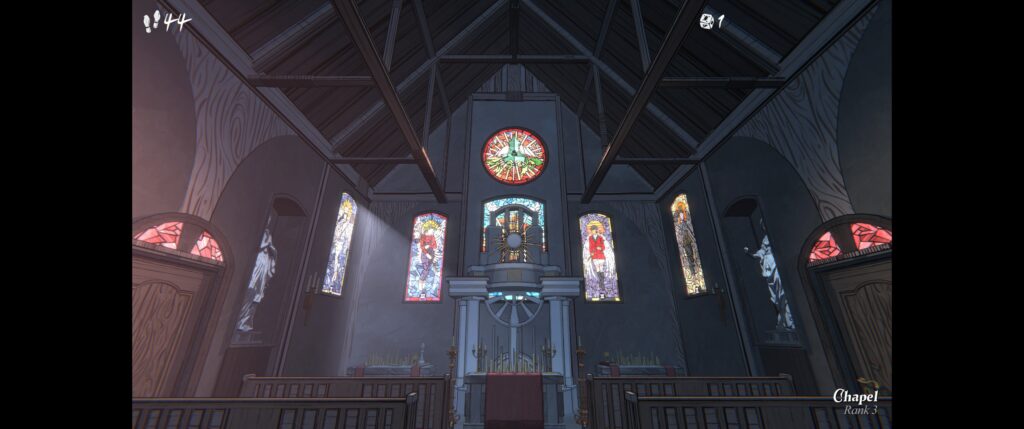
Presentation-wise, the muted, storybook art is lovely and does its job. The music is subtle and knows exactly when to swell. But the sound design is the weak spot, chunks of effects are just missing, footsteps in particular are frequently silent, and there’s a single master volume slider with no way to kill the music alone.
Is Blue Prince worth playing?
If you love puzzles, if you’re the type who’ll happily keep a journal and lose your evenings to cross-referencing clues, Blue Prince is one of the most rewarding and flat-out original games I’ve played in years. There is nothing else like it. The drafting is addictive, the mysteries feel bottomless, and the story hides a genuine emotional payoff behind all that cleverness. When it clicks, when the skies part and reveal something new, it’s transcendent.
But go in with open eyes. This is not a chill side game. The roguelite-and-puzzle combination generates friction that will genuinely frustrate you, the RNG can waste your time no matter how sharp you are, and the missing quality-of-life stuff feels like self-inflicted wounds on an otherwise brilliant design. The whole ends up being slightly less than the sum of its two extraordinary halves, undone right at the seam where they meet.
I’m still going to be doing sums on house numbers tonight, though. Bring a notebook. Bring a pen. Bring patience. Mt. Holly is waiting.
Blue Prince: Blue Prince is one of the most original games I've played in years – a genre-defying puzzle box where you draft a shifting mansion room by room, hunting for the impossible Room 46. It's brilliant and maddening in equal measure. The puzzles made me feel like a genius and an idiot at once, the mystery runs far deeper than its "ending," and the note-taking obsession is real. But the roguelite RNG constantly yanks tools from your hands, and missing quality-of-life features waste your time. If you love puzzles and patience, this is essential. If you don't, it'll test you. Bring a notebook. – Tom Henry