





I have played enough large-scale shooters to know the usual formula by heart. Two teams, one objective, a huge map, vehicles everywhere, and eventually the entire match collapses into a gigantic firefight around whichever building happens to contain the next capture point. WARDOGS looks familiar for about five minutes. Then three teams arrive at the same battlefield, the objective appears somewhere completely different, someone tears a building apart with explosives, a helicopter comes screaming over the treeline and I suddenly realize that I have no idea who is actually winning.
That feeling is the reason I keep coming back.
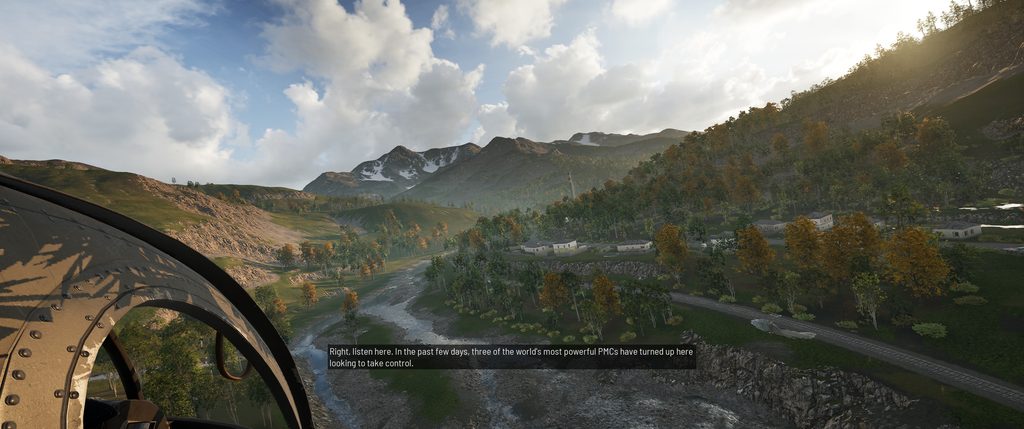
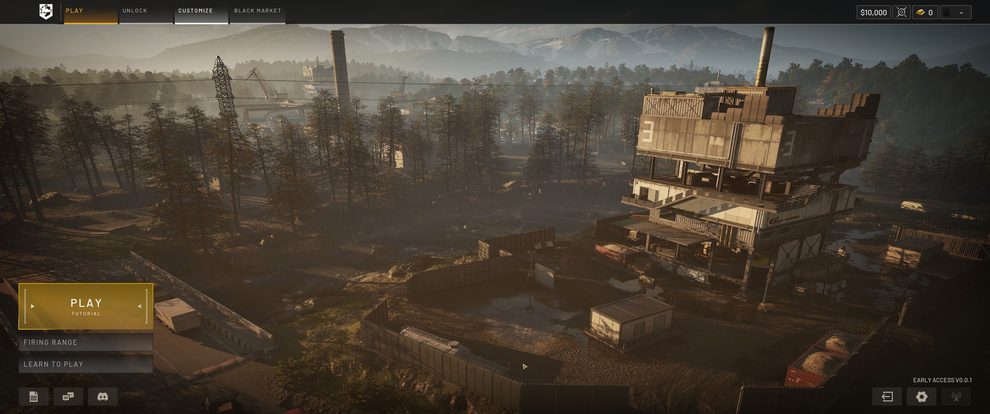
WARDOGS is a 100-player tactical FPS from BULKHEAD and Team17, currently in Early Access. Its central idea is deceptively simple: three teams compete for a moving Control Zone, with the first faction to reach 100 points taking the match. The battlefield is deliberately large, destructible and full of vehicles, fortifications and different ways of contributing. It is less interested in creating the perfect competitive arena and much more interested in creating situations that players have to solve on the fly.
And sometimes those situations are complete nonsense. I mean that as a compliment.
The objective changes everything
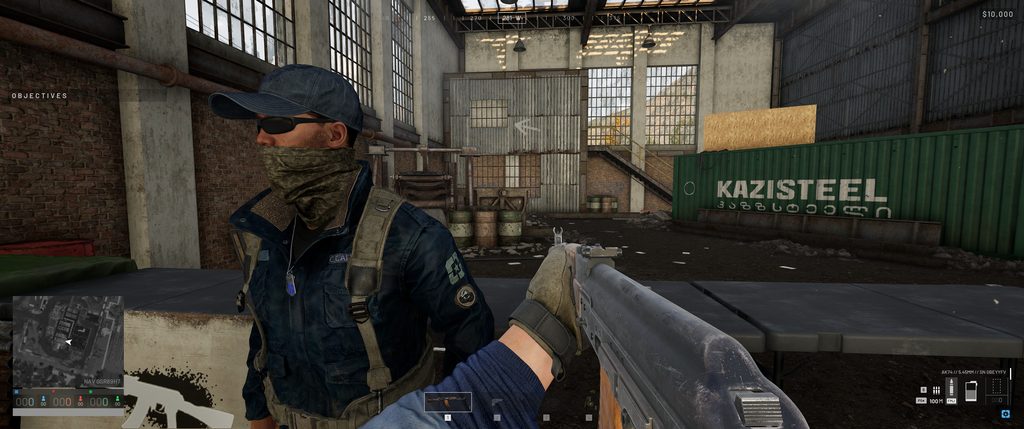
The three-team structure is the first thing that makes WARDOGS feel different.
In a traditional two-team shooter, I always know who I am fighting. There is one enemy and one ally. That creates a very clean tactical picture. WARDOGS destroys that simplicity. If two teams are fighting over the objective, the third team can attack both of them. The team currently leading can suddenly become the least interesting target because the other two sides have a reason to fight each other first.
It creates an unusual kind of paranoia.
Sometimes I want the enemy team to lose. Sometimes I want them to stay alive because they’re keeping the other faction busy. There are situations where shooting someone is actually a worse decision than simply allowing them to continue fighting somebody else.
That sounds obvious once you say it aloud, but very few shooters make it such a constant part of the match.
WARDOGS turns temporary alliances into an emergent mechanic without ever giving you an alliance button.
Kills are surprisingly secondary
This might be the biggest adjustment for Battlefield and Call of Duty players.
You can have a fantastic kill streak and still contribute very little to victory.
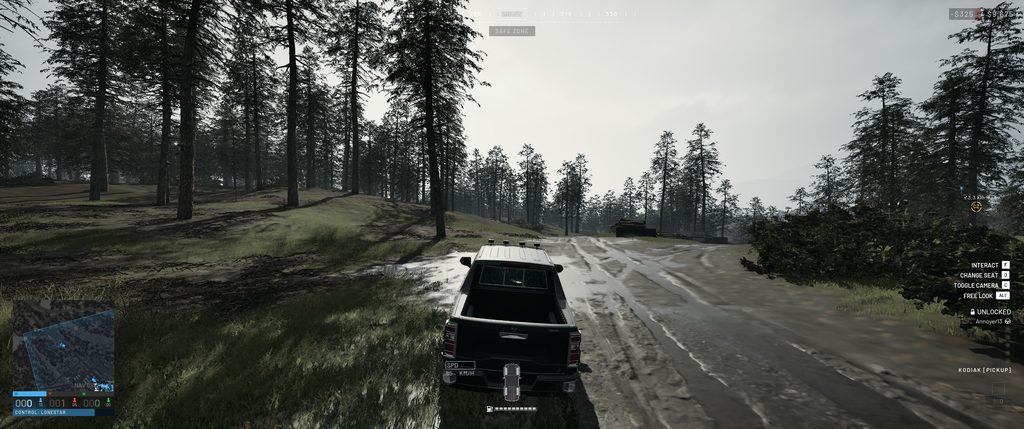
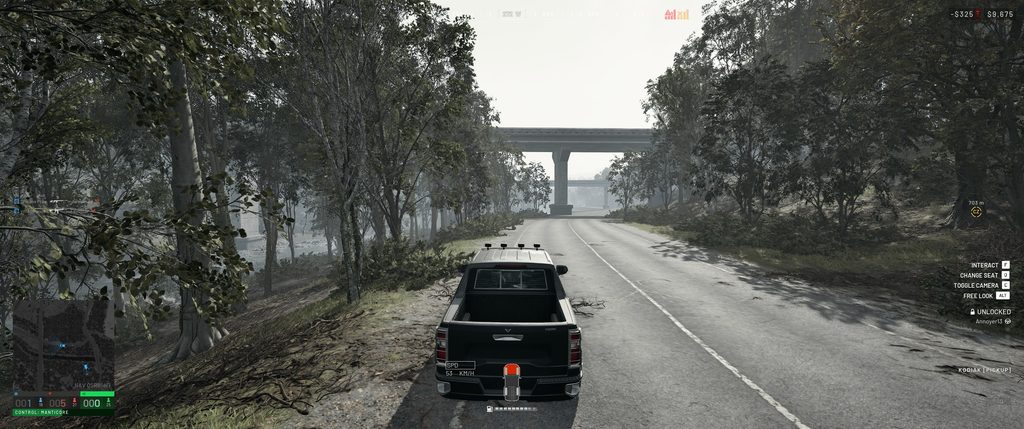
The Control Zone rewards presence. Your team needs bodies inside the objective, and that means WARDOGS constantly forces me to choose between the satisfying option and the useful option. I can chase a squad that just killed my friends, or I can ignore them and get back to the zone. I can sit on a hill and rack up kills, or I can drive a truck through a destroyed village to get reinforcements where they’re actually needed.
The game is at its best when it convinces me that all of these jobs matter.
And remarkably, they often do.
Money makes dying personal
The other big idea is the economy.
My equipment is not simply something I unlock once and then keep forever. Cash carries between deployments, and spending it on weapons, equipment and specialist tools creates a persistent relationship between my current performance and my next match.
That changes the emotional weight of dying.
In most shooters, getting killed means waiting for a respawn.
In WARDOGS, getting killed can also mean looking at your balance and thinking, “That was an expensive mistake.”
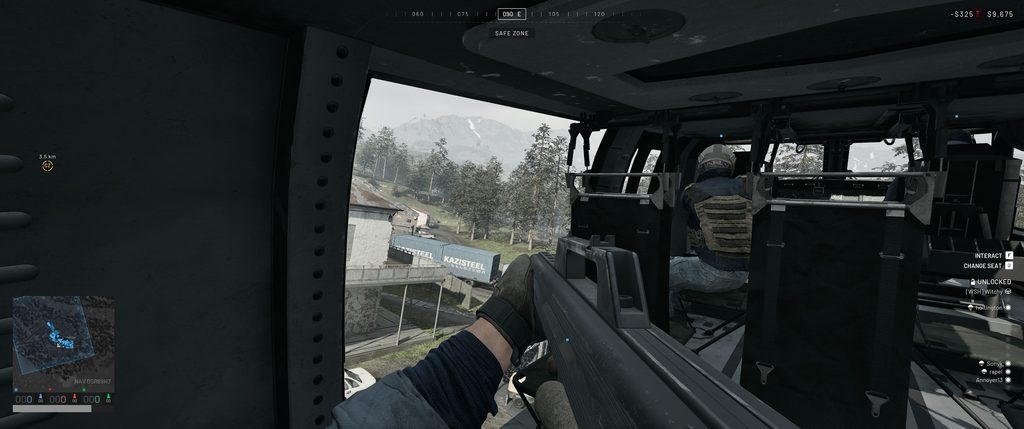
Suddenly a helicopter isn’t just transportation. It is an investment. A powerful loadout isn’t just an advantage. It is money sitting in my hands. A successful run can give me more options for the next battle, while a disaster can force me to reconsider how aggressively I want to equip myself.
I really like this system because it introduces something modern shooters rarely have: financial consequences without turning the game into an extraction shooter.
You are not losing your entire character because you died.
But you can absolutely feel poorer.
The battlefield is part of the strategy
Destruction is not just there to make screenshots look impressive.
Blowing holes through buildings can open new sightlines. Cover can disappear. Fortifications can turn a boring position into a strong defensive point. A place that looked safe at the beginning of the match can become completely exposed twenty minutes later.
This makes the battlefield feel more temporary than in most shooters. I cannot always rely on the same wall, the same window or the same defensive position because someone with a rocket launcher might decide that the building no longer deserves to exist.
The most satisfying moments are not always explosions, either. Sometimes it is something much smaller, like realizing that the wall protecting a sniper nest has been destroyed and suddenly understanding why the entire enemy squad has stopped advancing.
The map tells you what is happening if you pay attention.
There is no wrong job
One of my favorite aspects of WARDOGS is how many different ways there are to be useful.
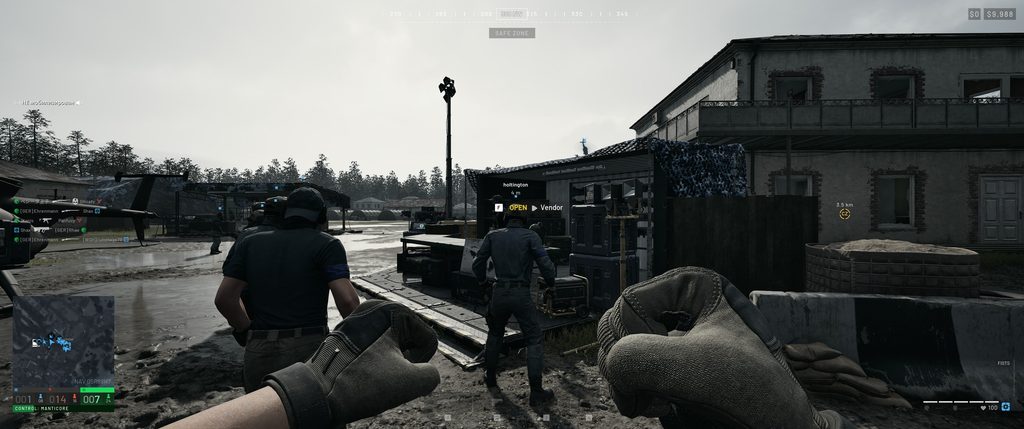
You can fight on foot, transport teammates, fly a helicopter, operate heavier weapons, build and fortify positions, revive players, scout, snipe or simply hold an important area. The game does not seem obsessed with making every player experience the same idealized version of combat.
That is particularly refreshing because it means a player does not necessarily need to be the best shot on the server.
If I am terrible at winning one-on-one fights, I can still make the team stronger.
I can be the guy who gets everyone to the objective.
I can be the medic.
I can build the position everyone else uses.
I can spend ten minutes doing something that barely produces spectacular footage and still be one of the reasons the team wins.
This is the closest WARDOGS comes to feeling like a proper military sandbox rather than simply a big multiplayer shooter.
And then somebody starts a helicopter business
Vehicles are where the game occasionally becomes gloriously stupid.
There is a serious tactical layer beneath the vehicle system, but players are still players. Helicopters become opportunities for absurd stunts, transport pilots develop personalities, and sooner or later somebody is going to attempt something that has absolutely no business working.
I have seen matches where aviation completely changes the tempo of an engagement, and others where the aircraft feels like a very expensive taxi.
That inconsistency is part of the charm.
WARDOGS is at its most memorable when the systems collide in ways the designers clearly anticipated but could never fully predict.
The biggest problem is balance
All of this sounds great until the game gives one option too much power.
And this is currently one of WARDOGS’ biggest weaknesses.
The Early Access version has some serious balance issues. Certain weapons, defensive setups and playstyles can become disproportionately effective, while some roles can feel inefficient compared with simply sitting in a safe position and contributing economically.
The game’s freedom is both its greatest strength and its biggest balancing headache.
When everything is possible, players will inevitably discover combinations that the developers never intended to be this efficient.
There are also moments when the tactical freedom becomes chaos without enough structure. A coordinated squad can accomplish incredible things, but an inexperienced player can spend a long time travelling across the enormous map just to arrive at the objective seconds before dying.
That creates a high learning curve that is less about mastering recoil and more about learning where you actually need to be.
The launch has been huge, perhaps too huge
WARDOGS entered Early Access on September 10 and almost immediately exploded in popularity, eventually surpassing two million copies sold and reaching an announced peak of more than 400,000 concurrent players.
That is fantastic news for the game’s future and potentially a problem for its present.
The developers have openly acknowledged that WARDOGS attracted a much larger audience than originally expected, creating pressure around content production and long-term support. The team has been working on server infrastructure, balance and community-server improvements, but the question is whether it can maintain the momentum generated by such an enormous launch.
For a game built so heavily around having other players to interact with, that matters more than it would in most Early Access titles.
WARDOGS makes logistics fun
This is what I keep thinking about after playing it.
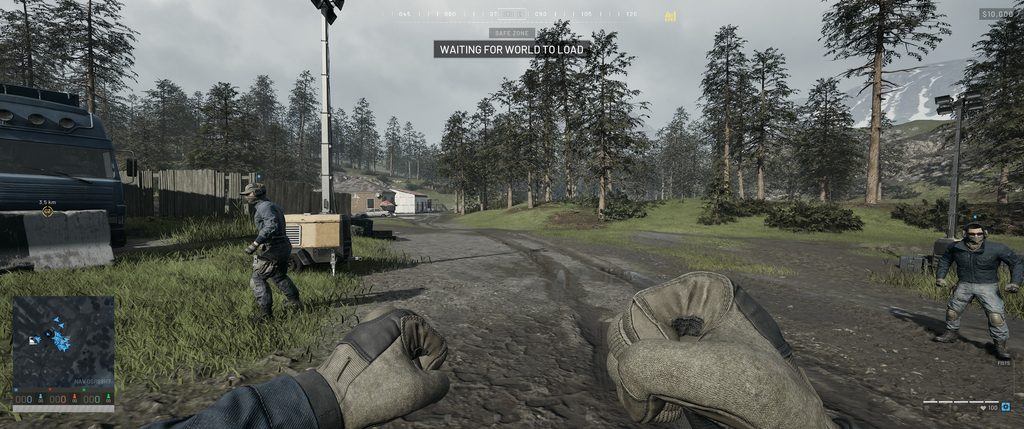
The most interesting thing about WARDOGS isn’t the shooting.
It is logistics.
Where are my teammates?
How are we getting there?
Who has enough money for the equipment we need?
Can we afford to deploy another helicopter?
Which position is worth defending?
Should I push the objective or establish a route that lets the next ten players reach it faster?
These are questions I usually associate with strategy games, not FPS games.
And WARDOGS manages to turn them into immediate decisions without stopping the action.
It is a shooter where the battle is often decided before the shooting begins.
That might be the game’s defining achievement.
Still unfinished, but unusually promising
The obvious criticism is that WARDOGS is an Early Access game, because it absolutely feels like one. Balance needs work, some systems are underdeveloped, content is limited compared with what the enormous player count might expect, and the interface can occasionally struggle to communicate the game’s complexity.
But I would much rather see a game with ambitious systemic ideas and rough edges than another perfectly polished shooter that plays exactly like five others.
WARDOGS has an identity.
It is chaotic, expensive, occasionally unfair, surprisingly tactical and often completely unpredictable. Most importantly, it creates stories that are difficult to script.
A tank gets stranded.
A squad builds a defensive position in the middle of nowhere.
A helicopter rescues four players at the last second.
A player spends half the match transporting everyone and never gets a flashy highlight.
Then the scoreboard appears, and suddenly you understand why that boring-looking work mattered.
Verdict
WARDOGS is not the cleanest large-scale FPS I have played, and it is definitely not the most accessible. It asks me to learn its economy, its battlefield, its movement, its objectives and the strange logic of a three-sided war.
But once I understand those rules, the game starts producing moments that other shooters simply cannot create.
It is not really about dominating the enemy. It is about making the battlefield work in your favor. And sometimes that means shooting someone. Sometimes it means building a bunker. Sometimes it means stealing a helicopter.
And sometimes the smartest thing I can do is drive a truck across half the map because my team is going to lose without a box of ammunition. That is what makes WARDOGS special.
Pros
- Excellent three-team structure
- Economy gives every deployment real weight
- Destruction meaningfully changes the battlefield
- Multiple roles can contribute to victory
- Vehicles create memorable emergent situations
- Strong potential for long-term tactical depth
- Excellent foundation for an Early Access project
Cons
- Balance is currently inconsistent
- Large maps can create long periods of downtime
- New players have a lot to learn
- Some roles and strategies are clearly more efficient than others
- Content and polish still need to catch up with the game’s huge audience
Score: 8.5/10
WARDOGS: WARDOGS is one of those rare shooters where the most satisfying moment might not involve firing a weapon at all. It is the moment when a terrible plan suddenly becomes the right plan because fifty other players have accidentally created the perfect opportunity for it. – Tom Henry