






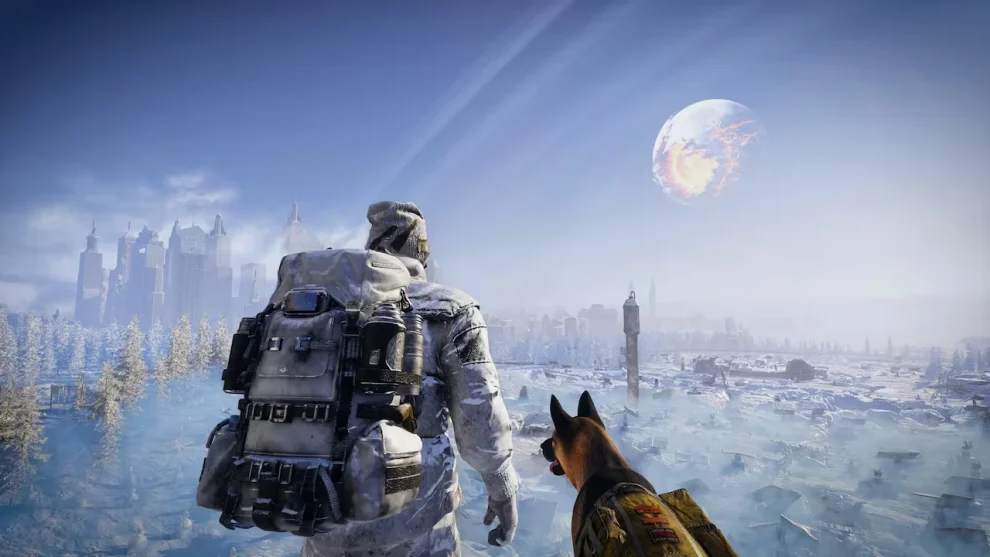
The worst thing about winter isn’t necessarily the cold itself. It’s that moment when you can barely feel your fingers, your clothes are soaked, and you’re still miles away from somewhere warm. Permafrost tries to build an entire survival experience around that feeling. There are no tropical islands or relaxing evenings on the beach here. Just snow, hunger, freezing temperatures, and the constant possibility that your next expedition might be your last.
It’s a world that’s strangely inviting despite how hostile it is. Abandoned buildings, frozen roads, and the remains of civilization create a fantastic setting for a survival game. Unfortunately, the gameplay doesn’t always live up to the atmosphere.
Developed by Polish studio SpaceRocket Games and published by Toplitz Productions, Permafrost entered Early Access on October 9, 2026. It already offers a large open world, crafting, base building, story missions, and four-player cooperative multiplayer.
There’s a solid foundation here. But it’s still very much a foundation.
The Moon Is Gone and We’re Looking for Dinner
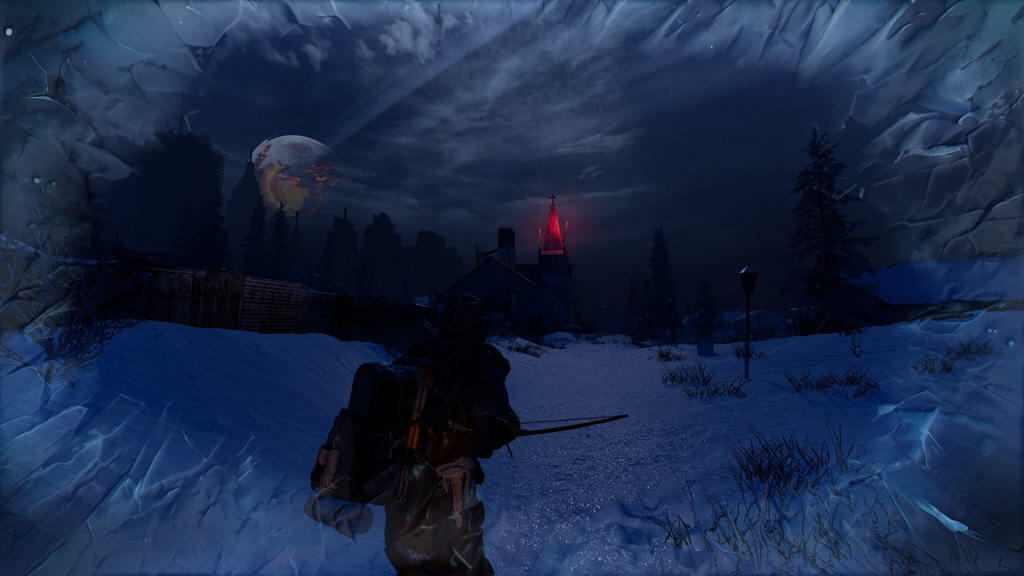
Permafrost takes place after a catastrophic event shattered the Moon and plunged Earth into an endless winter. You play as Rook, an engineer who sets out on a dangerous journey after receiving a radio message from an old friend.
It’s a straightforward premise, but it gives you a good reason to leave the safety of your shelter. Along the way, you’ll encounter surviving communities, take on missions, and gradually discover how humanity has adapted to life after the disaster.
What I like most is that Permafrost doesn’t treat the apocalypse as an excuse for endless shooting. Its most interesting problems are often the ordinary ones. Where can I find food? How do I stay warm during a snowstorm? Is that extra loot worth carrying if it slows me down on the way home?
Temperature plays a major role in exploration. Your starting clothes are enough for relatively mild conditions, but reaching colder regions requires better equipment and careful preparation.
I particularly like how progression is tied to survival rather than simply making your character stronger in combat. Finding warmer clothing or establishing another shelter can feel more meaningful than unlocking a new weapon.
Unfortunately, the cold isn’t always as dangerous as the game wants you to believe. Once you understand the survival systems, some of the early challenges become surprisingly easy to manage. That initial tension begins to fade when you realize how reliably you can keep yourself warm.
Home Is More Than Four Walls
One of Permafrost’s better ideas is building a network of shelters across the frozen landscape.
Rather than constructing one enormous base and returning to it after every expedition, you can repair abandoned buildings, establish smaller outposts, and gradually create safe places in increasingly dangerous regions.
It’s a system that makes sense both mechanically and thematically. In a world where civilization has almost disappeared, restoring an abandoned house feels like reclaiming a tiny piece of normal life.
Building revolves around gathering resources, unlocking blueprints, repairing equipment, and producing tools that help you explore farther.
I enjoyed the sense of progress, particularly in the opening hours. New technology allows you to reach areas that were previously too dangerous, making exploration feel almost like a survival-focused Metroidvania. A place that seemed completely inaccessible eventually becomes your next destination.
There are frustrations, though. Building restrictions in certain locations can feel arbitrary, and the blueprint progression isn’t always well balanced. Sometimes upgrades arrive too easily, while obtaining a particular resource becomes an unnecessarily tedious process.
Permafrost needs to find a better balance between rewarding preparation and making players spend hours gathering materials.
A Dog Makes the End of the World Better
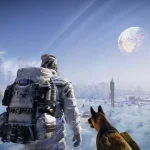
One of my favorite additions is the dog you can rescue and bring along on your travels.
Thankfully, your companion is more than a cute decoration. The dog can help locate items, warn you about danger, and carry additional supplies. You also need to look after its needs.
It’s a lovely touch. When most of your journey involves empty roads, snow-covered forests, and abandoned buildings, having a companion makes the world feel a little less lonely.
Unfortunately, the dog’s AI still needs attention. Pathfinding can be unreliable, and your companion doesn’t always behave as expected.
That might sound like a minor issue, but in a survival game it can become surprisingly annoying. Especially when you’re trying to reach safety before a storm and your four-legged friend decides that a particular patch of snow deserves closer inspection.
Still, I wouldn’t want to explore this frozen wasteland without it.
Combat Is the Weakest Part
This is where Permafrost starts to disappoint.
Exploration is interesting, base building is satisfying, and the world has personality. But fighting enemies often feels like playing a much less polished game.
Human opponents can absorb an unreasonable amount of damage. Shots that should have a noticeable impact don’t always produce convincing reactions, and enemies sometimes continue attacking as though nothing happened.
Melee combat is particularly awkward. The animations lack fluidity, enemy reactions are inconsistent, and landing a hit rarely feels satisfying.
The developers are clearly aware of these problems. A November update introduced four additional firearms and improved combat animations. It’s a welcome step, but the overall system still needs work, particularly when it comes to damage balancing and enemy behavior.
I’d actually prefer fewer encounters if they were more dangerous and better designed. A handful of threatening enemies would create considerably more tension than a group of bandits who seem capable of surviving an absurd number of bullets.
Permafrost works best when you’re worried about the weather and your dwindling supplies. It’s far less convincing when you’re standing in the snow repeatedly shooting an enemy who refuses to go down.
The End of the World Looks Wonderful
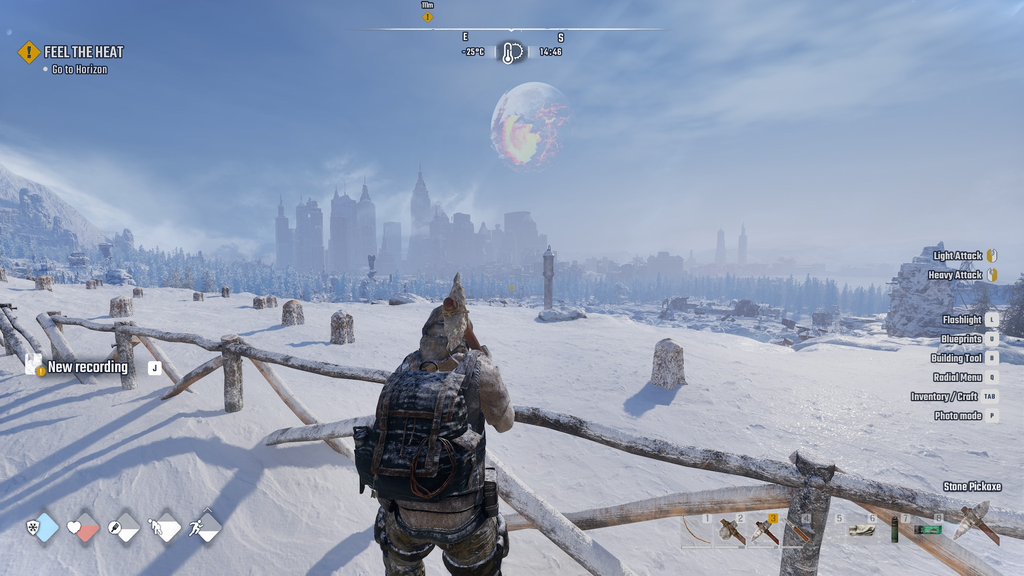
Visually, Permafrost has plenty going for it.
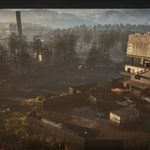
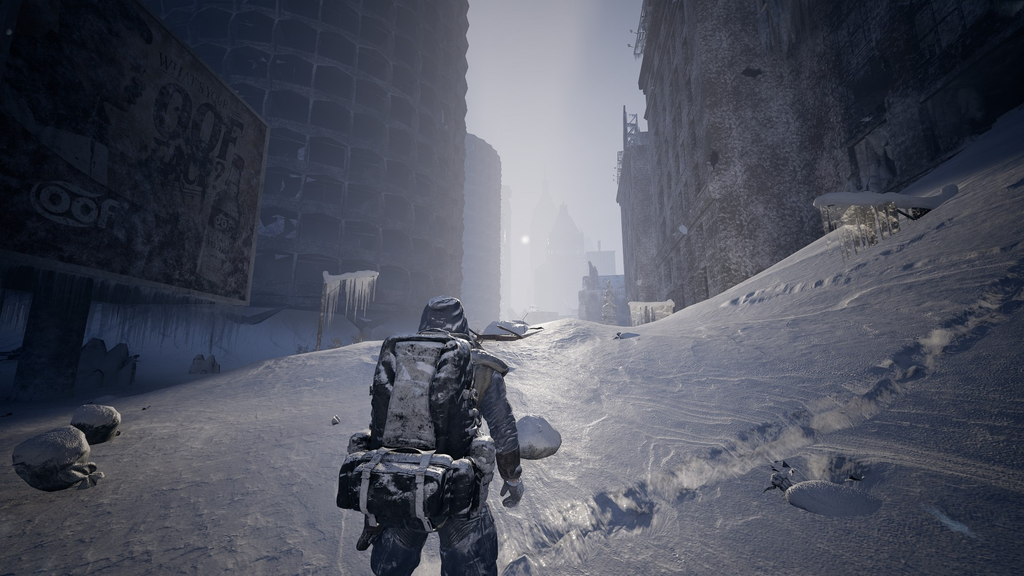
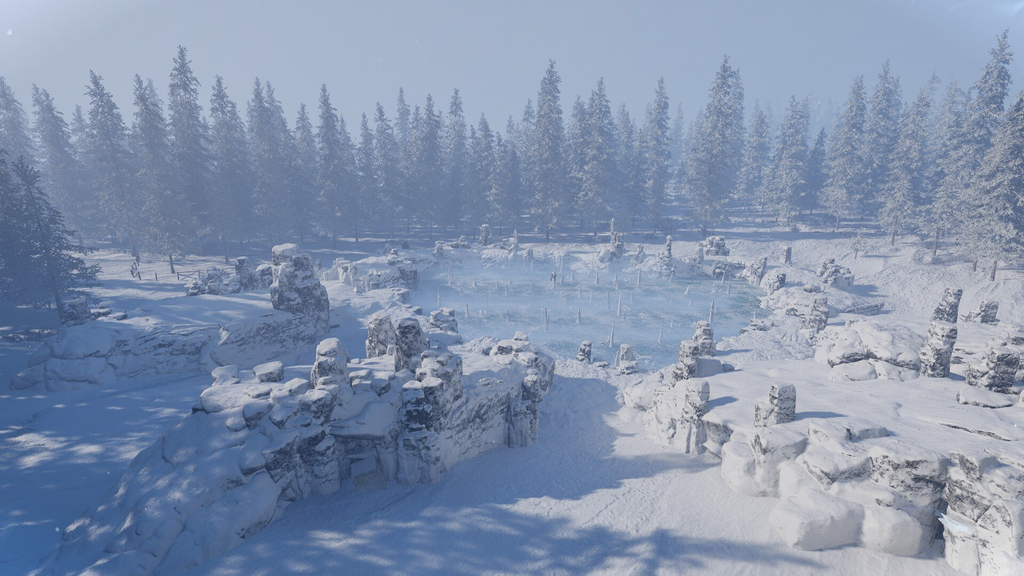
Frozen cities, deserted neighborhoods, and snow-covered forests create an atmosphere that’s easy to appreciate. The game looks particularly good when heavy weather reduces visibility and distant buildings become little more than silhouettes.
There’s a real sense of isolation here. The landscape feels enormous, quiet, and completely indifferent to whether you survive.
I also like the environmental storytelling. An abandoned home or a forgotten roadside structure can suggest what happened to its former occupants without needing a lengthy explanation.
Unfortunately, the technical side isn’t quite as impressive.
There are problems with the interface, object interactions, animations, and performance. Some players have also encountered bugs that interfere with quest progression, which is especially frustrating when you’ve spent a considerable amount of time preparing for an expedition.
SpaceRocket Games has been releasing regular updates, including fixes for missions, stability improvements, new equipment, and additional weather effects.
That’s encouraging, but the current version still requires patience. Permafrost can look like a polished survival adventure one moment and remind you of its Early Access status the next.
The Survival Systems Need More Bite
There’s a strange contradiction at the center of Permafrost.
The setting suggests an incredibly harsh survival experience. Earth has frozen over, society has collapsed, and even leaving your shelter should be a serious decision.
But once you’ve established a decent base and learned how the systems work, certain challenges become much easier than expected.
Managing temperature, hunger, and resources is engaging at first. Later, however, those systems can become routine rather than genuinely threatening.
I don’t think the solution is simply making everything harder. Constantly punishing players for minor mistakes would become exhausting.
What Permafrost needs is more meaningful decision-making.
I’d like expeditions to involve difficult choices about supplies, routes, and potential rewards. I’d like dangerous weather to force me to change plans rather than simply wait for a meter to recover. Most importantly, I’d like the survival mechanics to remain relevant even after unlocking better equipment.
The game already has the atmosphere needed to make those decisions interesting. It just needs more consistent mechanical pressure to support it.
Better Together?
Permafrost supports cooperative play for up to four players, and the concept fits the game nicely.
Gathering materials, establishing shelters, and preparing for expeditions become more enjoyable when responsibilities can be shared. One player can focus on supplies while another handles construction or explores nearby locations.
Having friends around also changes the tone considerably. What feels like a lonely survival adventure in single-player can become a surprisingly relaxed experience when everyone is working toward the same objective.
That said, cooperation also makes certain survival challenges easier. Sharing resources and dividing tasks can reduce some of the tension that makes the early game appealing.
The technical limitations are also worth remembering. Multiplayer doesn’t automatically solve the underlying problems with combat, AI, and progression.
Still, if you enjoy survival games primarily as cooperative adventures, Permafrost already has plenty of potential.
Is Permafrost Worth Playing Right Now?
Permafrost has something that can’t easily be added through patches: a compelling world and a clear idea of what surviving in it should feel like.
Building shelters, gradually exploring colder regions, and discovering what remains of human civilization can be genuinely engaging. There’s a satisfying rhythm to preparing an expedition, venturing into unfamiliar territory, and finally returning home with the materials you needed.
The problems become obvious when the game asks you to fight or interact with its less polished systems.
Combat is clumsy, progression needs balancing, and technical issues occasionally interrupt otherwise enjoyable moments. Some survival mechanics also lose their impact too quickly.
There’s plenty to do already, but the story, factions, and progression systems still have room to grow.
That’s why I wouldn’t approach Permafrost as a finished survival game. It’s an ambitious Early Access project with an appealing setting and several good ideas, but it still needs substantial refinement.
Permafrost: Permafrost is an atmospheric survival game with a promising approach to exploration, shelter building, and gradually conquering a frozen world. Its most rewarding moments aren't dramatic battles or spectacular discoveries. They're the smaller victories: reaching shelter before a storm, finding a desperately needed resource, or finally crafting equipment that lets you travel farther. – Tom Henry
Unfortunately, awkward combat, technical problems, and uneven balancing prevent the experience from fully delivering on its potential.
I enjoyed the atmosphere more than the actual challenge of surviving, and that tells you quite a lot about where the game currently stands.
Pros
- Excellent atmosphere and convincing frozen environments
- Interesting temperature and expedition preparation systems
- Satisfying shelter construction and restoration
- Exploration that rewards better equipment and preparation
- A useful and lovable canine companion
- Four-player cooperative multiplayer
- Regular Early Access updates
Cons
- Unsatisfying combat and overly durable enemies
- Unreliable enemy and companion AI
- Technical bugs, including quest-related issues
- Uneven crafting and progression balance
- Survival becomes too manageable after the opening hours
- Story content and world activities still need expansion
Permafrost isn’t a survival game I’d recommend without reservations, at least not yet. But if you enjoy exploring hostile environments, building safe places in dangerous territory, and slowly preparing for longer expeditions, there’s already something worth experiencing here.
What stayed with me wasn’t the catastrophe that froze the world. It was the relief of finding an abandoned house, getting a fire started, and watching my character’s temperature finally begin to rise.
Permafrost already has the atmosphere of a very good survival game. Now it needs the mechanics to match.